ProductionComparison
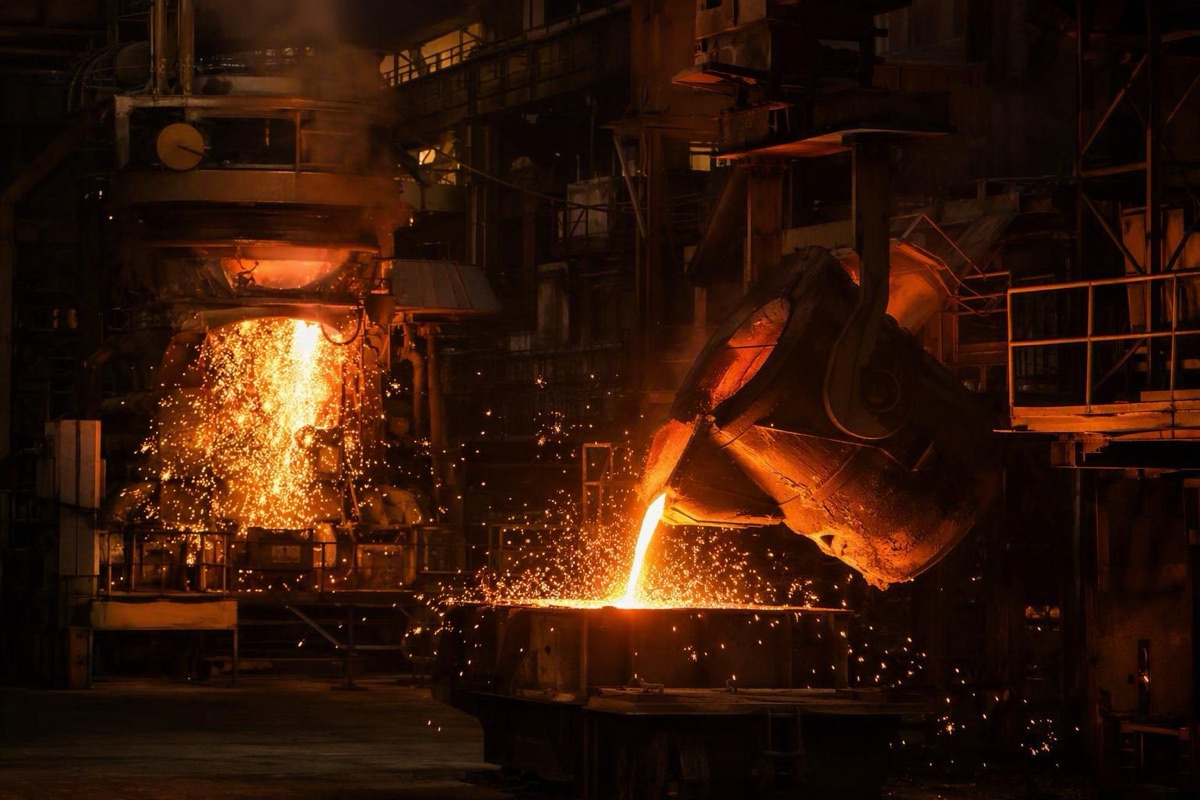
EAF vs BOF: Electric Arc Furnace vs Basic Oxygen Furnace
We compare the electric arc furnace (EAF) and the basic oxygen furnace (BOF) by energy source, charge material, scale, carbon footprint and typical products.
4 min read

Technical articles, guides and analyses about the steel industry, production techniques and industrial solutions.
We compare the electric arc furnace (EAF) and the basic oxygen furnace (BOF) by energy source, charge material, scale, carbon footprint and typical products.
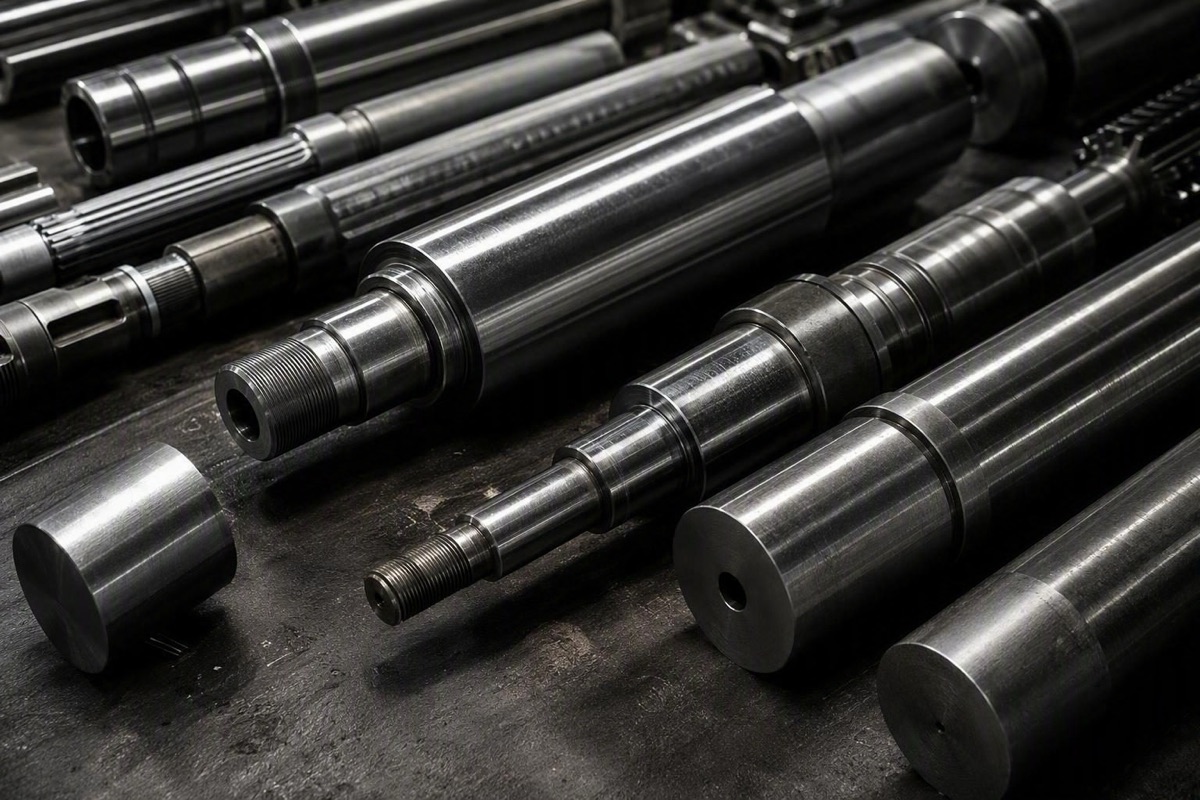
We compare C45 (1045) carbon steel with 42CrMo4 (4140) chrome-moly quenched & tempered steel by hardenability, strength, welding and cost — which to choose and when?
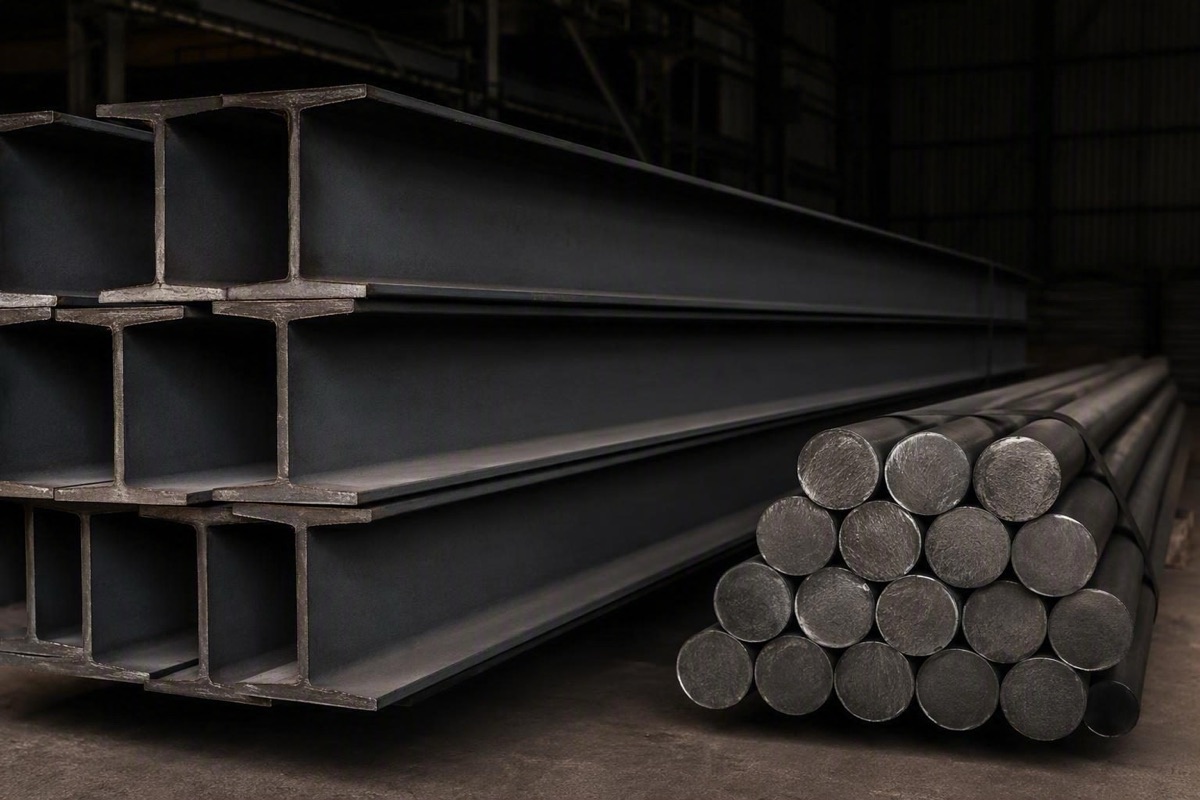
We compare S235JR and S355J2 structural steels by yield strength, chemical composition, weldability and cost — which grade should you choose and when?
Quenched and tempered (Q&T) steel is the class that delivers strength and toughness together. We put the six main EN 10083 grades — C45, 25CrMo4, 42CrMo4, 39NiCrMo3, 34CrNiMo6, 51CrV4 — into one table with chemistry, section-dependent values and selection criteria.
The vast majority of steels are magnetic — but not all. What decides it is not the alloy but the crystal structure: ferrite/martensite attracts, austenite doesn't. Why 304/316 stainless doesn't stick, and where the magnet test reaches its limits.
EN8, EN19, EN24… the old codes of the British BS 970 system still live in ordering language from the UK to India and the Middle East. Each grade's modern EN/DIN equivalent, chemistry, mechanical values and the datasheet it maps to — in one table.
Cementite (Fe₃C) is the compound of iron and carbon and one of the hardest phases in steel: ~800 HV. On its own it is glass-brittle — but combined correctly with ferrite it becomes the true source of steel's strength. From pearlite to bearing steel, all the forms of cementite.
The only thing separating cast iron from cast steel is carbon content — and that single difference changes toughness, weldability and cost completely. Differences, shop-floor identification tests and a selection guide.
We explain weld neck, slip-on, blind, socket weld, threaded, lap joint and orifice flanges — their construction, facing types (RF/FF/RTJ), pressure classes and selection criteria.
What is annealing and why does it soften steel? We explain full, process, stress-relief and spheroidize annealing — their temperatures, mechanisms and the difference from normalizing.
We compare 4130 (25CrMo4) and 4140 (42CrMo4) chrome-molybdenum steels by carbon content, hardenability, weldability and application — which grade should you pick, and when?
We compare 4140 (42CrMo4) and 4340 (34CrNiMo6) by nickel content, hardenability, toughness and cost — the economical workhorse or the premium steel for critical parts?
The most commonly used steel bar grades in the automotive industry and 2026 trends. The impact of electric vehicle transition, lightweighting, and sustainability requirements on material selection.
A guide to selecting the right steel material for petrochemical and refinery plants. Step-by-step material determination based on temperature, pressure, corrosion mechanisms, and ASTM standards.
Comprehensive technical guide to the ASME B16.5 flange standard. Pressure classes, flange types, material groups, and pressure-temperature ratings explained in detail.
Comprehensive guide to steel hardness testing methods. Comparison of Rockwell (HRC), Brinell (HB), and Vickers (HV) methods, conversion tables, and proper method selection.
A comprehensive guide to steel heat treatment processes. Parameters, suitable steel grades, and proper process selection for annealing, normalizing, quenching & tempering, and case hardening.
A detailed comparison of hot rolling and cold drawing processes. A guide for selecting the right bar form in terms of surface quality, tolerance, cost, and mechanical properties.
Chemical composition, mechanical properties, heat treatment parameters and wide application areas from automotive to energy of 42CrMo4 (1.7225 / SAE 4140) quenched and tempered steel.
Comparison of leaded and lead-free free-cutting steels. Differences between 11SMnPb30 and 11SMn30 in terms of machinability, cost, and environmental regulations.
This website uses cookies to improve your experience. Cookie Policy