
Silica Sand Technical Catalogue
High purity silica sand solutions for foundry, glass and industrial applications
Silica Sand Classes
Select for technical details
Silica Sand: All types (2)
A short summary of each type is below. Dimension tables, materials and technical notes are on each type's own page.
Foundry Silica Sand
FOUNDRY
High purity silica sand used for mold and core making in the foundry industry.
- Material:
- SiO₂ ≥ 98%
Multi-purpose industrial silica sand used in glass, ceramics, chemical and construction industries.
- Material:
- SiO₂ ≥ 98%
Related Sectors
Useful Calculation Tools
Detailed Technical Information and Quotation
Contact our expert team for detailed technical documents, application recommendations, and custom size quotations regarding this product type.
Get a QuoteWhat is foundry silica sand (moulding sand)?
Foundry silica sand is a high-purity refractory sand (SiO₂ ≥ 95–99%) used in foundries to make moulds and cores. Its high melting point (~1710°C), thermal stability and controlled grain size (measured by AFS grain fineness number) let it withstand molten metal. Mixed with a binder (bentonite, resin, sodium silicate) it forms green sand, chemically bonded sand or CO₂ moulds.
Grain size (AFS), composition and casting quality
Three factors drive moulding-sand performance: SiO₂ purity (surface finish and refractoriness), grain size/distribution (AFS GFN — the balance between permeability and surface roughness) and grain shape. Fine sand gives a smoother surface but lower permeability; coarse sand the opposite. Clay and moisture content affect mould strength and gas defects. The right sand–binder recipe directly determines the dimensional accuracy and surface quality of the casting.
Frequently Asked Questions
What is the difference between foundry sand and construction silica sand?+
Foundry sand needs higher SiO₂ purity, controlled grain size (AFS) and refractoriness; unlike construction/glass sand it is selected to withstand molten metal.
What is the AFS grain fineness number (GFN)?+
An index of the average grain size of the sand; a higher AFS = finer sand = smoother surface but lower permeability.
Which binders are used in moulding sand?+
Bentonite + water for green sand; furan/phenolic resin for chemically bonded sand; sodium silicate (water glass) for the CO₂ process.
What SiO₂ content should silica sand have?+
Typically 95–99% SiO₂ for casting; higher purity gives better refractoriness and surface quality.
Related Blog Posts
Technical articles, guides and industry analyses
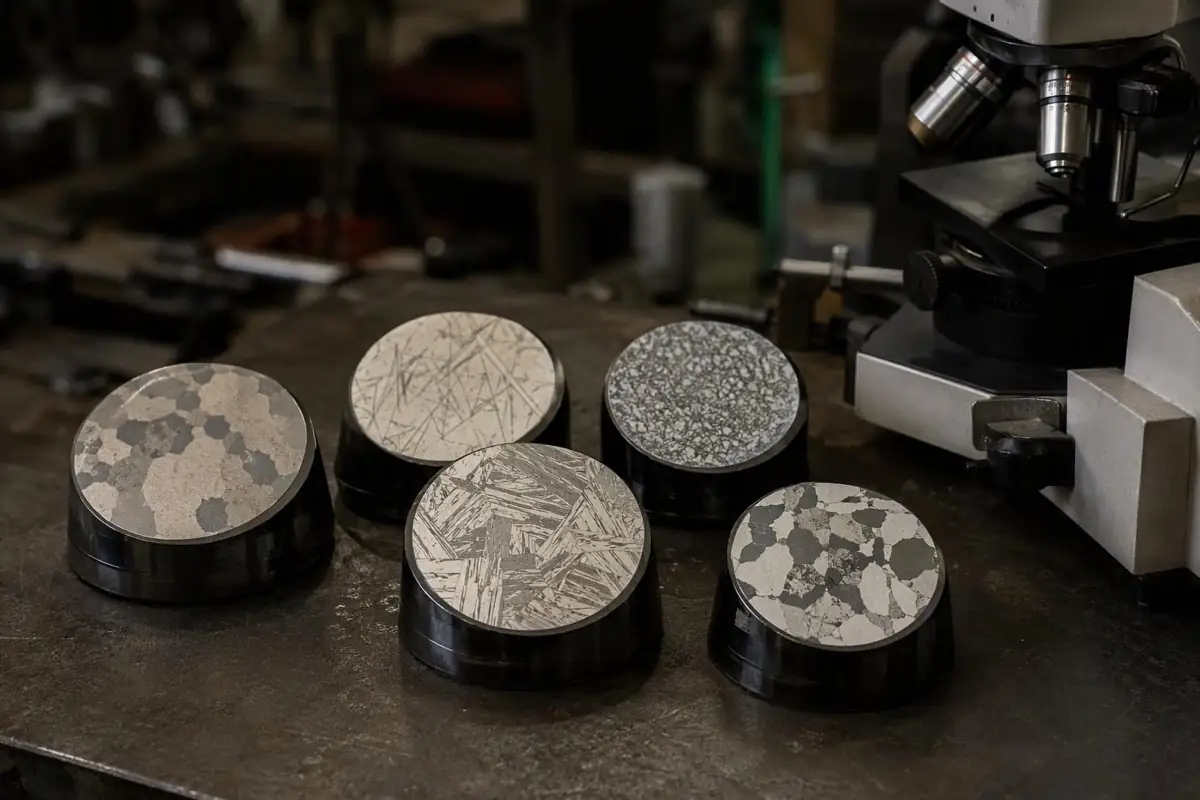
Steel Cleanliness: How ISO 4967 Rates Non-Metallic Inclusions
Steel cleanliness measures the type, size and amount of oxide, sulphide and silicate inclusions in steel. We explain the A, B, C, D and DS types and methods A and B of ISO 4967, how it differs from ASTM E45 and EN 10247, and what to write in the specification for bearing steels or fatigue-loaded shafts.
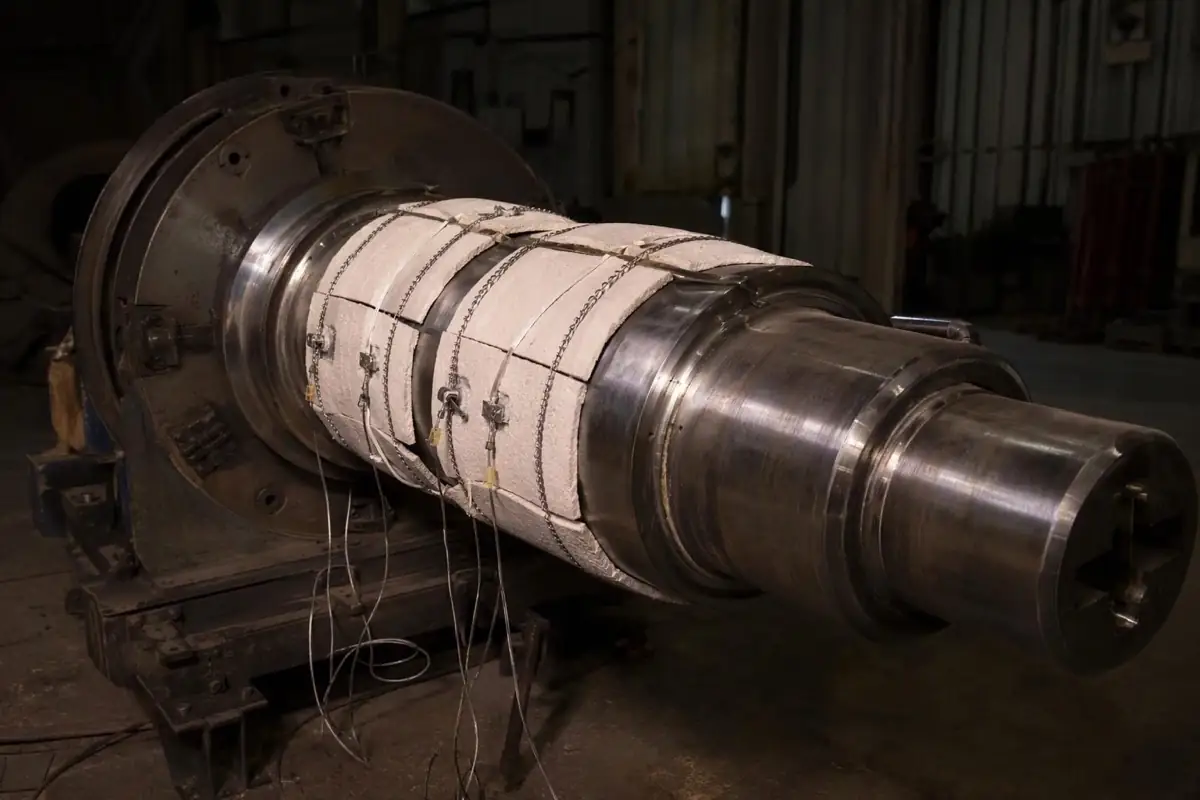
Welding 42CrMo4: Preheat, Interpass and PWHT for Q&T Steels
42CrMo4 and other quenched and tempered steels can be welded, but only under conditions: preheat, low-hydrogen consumables, controlled interpass temperature and post-weld heat treatment. The rule most often missed: on a quenched and tempered part, PWHT must not exceed the tempering temperature of the material. Datasheet values, the EN 1011-2 calculation and a work-order checklist.