Carbon Equivalent
CEV · CET · Pcm
Calculate the IIW CEV, CET (EN 1011-2) and Pcm carbon equivalents from a steel's chemical analysis. Each formula's source and validity range is on the page, and the result is interpreted for weldability.
Enter the Chemical Analysis
Enter values in percent by mass (%). Blank elements count as 0; carbon (C) is required.
The example analysis is only for trying the tool; it does not belong to a specific grade or certificate.
Enter at least the carbon (C) value to see results
Formulas and Sources
CEV (IIW)
Formula of the International Institute of Welding (IIW). The EN 10025 series gives maximum CEV values for structural steels with this expression, and EN 1011-2 Annex C method A uses it for preheat.
The most common indicator for carbon and carbon-manganese structural steels; often required on certificates and purchase specifications.
CET
EN 1011-2, Annex C, method B. The preheat temperature is determined from CET together with plate thickness, diffusible hydrogen in the weld metal and heat input.
Validity range (EN 1011-2, % by mass): C 0.05–0.32; Si ≤ 0.8; Mn 0.5–1.9; Cr ≤ 1.5; Cu ≤ 0.7; Mo ≤ 0.75; Nb ≤ 0.06; Ni ≤ 2.5; Ti ≤ 0.12; V ≤ 0.18; B ≤ 0.005.
Pcm
Ito–Bessyo (1968) cracking parameter. Used by the hydrogen-control method of AWS D1.1 and by API 5L (PSL 2 pipe with C ≤ 0.12 %).
More meaningful for low-carbon and microalloyed steels (line pipe, thermomechanically rolled plate); it also accounts for boron.
Where do the values come from?
Use the ladle or product analysis on the material certificate (e.g. an EN 10204 3.1 inspection certificate). Counting an element that the certificate does not report as 0 can understate the result; if the specification gives a maximum, also calculate with that limit to see the worst case.
For comparison: our S355J2 datasheet gives CEV ≤ 0.45 for the ladle analysis per EN 10025-2 (the standard allows a higher limit for thick sections). S355J2
Chemical composition in our grade datasheets
Composition ranges per standard and welding notes:
Looking for steel for welded fabrication?
Send us the grade, size and quantity, and we will prepare a quote for supply with EN 10204 3.1 certification.
Get a QuoteWhat is the carbon equivalent (CEV) and how is it calculated?
The carbon equivalent expresses the effect of a steel's alloying elements on hardenability and cold cracking as a single carbon value. The most common form is the IIW formula: CEV = C + Mn/6 + (Cr + Mo + V)/5 + (Ni + Cu)/15 (values in % by mass). For example, C 0.16, Mn 1.30, Cr 0.10, Mo 0.02, V 0.01, Ni 0.10, Cu 0.15 gives CEV ≈ 0.42. The higher the CEV, the greater the need for preheat when welding.
CEV vs CET vs Pcm
The three formulas answer the same question from different data sets. CEV (IIW) is the most common indicator for carbon and carbon-manganese structural steels and is specified as a maximum for EN 10025 structural steels. CET is used in method B of EN 1011-2 to determine the preheat temperature together with plate thickness, diffusible hydrogen and heat input. Pcm (Ito–Bessyo) is more meaningful for low-carbon and microalloyed steels; API 5L uses Pcm for PSL 2 pipe with C ≤ 0.12 %. None of them gives a preheat temperature on its own: thickness, hydrogen level, heat input and joint restraint also count.
Frequently Asked Questions
What is the carbon equivalent of S355J2?+
EN 10025-2 sets a maximum CEV for S355J2 on the ladle analysis; our datasheet lists it as 0.45 (the standard allows a higher limit for thick sections). The actual value of a given heat is calculated with this tool from the ladle analysis on the certificate.
Above which CEV is preheat required?+
As a common rule of thumb, steels with CEV ≤ 0.40 can often be welded without preheat at moderate thickness; between 0.40 and 0.50 preheat may be needed depending on thickness and hydrogen; above 0.50 a qualified procedure with preheat is required. The exact temperature is determined per EN 1011-2 or AWS D1.1.
What is the difference between CET and CEV?+
CEV (IIW) is mainly used to compare the weldability of structural steels. CET is used in EN 1011-2 method B to calculate the preheat temperature and weights manganese less (Mn/10 instead of Mn/6).
When is Pcm used?+
Pcm was developed for low-carbon (about 0.07–0.22 % C) and microalloyed steels and is common for line pipe. API 5L uses Pcm for PSL 2 pipe with C ≤ 0.12 % and CEV (IIW) for higher carbon.
Can quenched-and-tempered steels such as 42CrMo4 be welded?+
Their carbon and chromium-molybdenum contents give high CEV values; welding is only done with a procedure that includes preheat, low-hydrogen consumables and usually post-weld heat treatment. Details are in our 42CrMo4 datasheet.
Should I use the ladle or the product analysis?+
Use whichever the material certificate (e.g. EN 10204 3.1) reports; standards usually set the CEV limit on the ladle analysis. Counting an element missing from the certificate as 0 can understate the result.
Does the carbon equivalent apply to stainless steel?+
No. CEV, CET and Pcm are for unalloyed and low-alloy steels; the weldability of austenitic stainless and high-alloy steels is assessed with other criteria (e.g. ferrite content).
Related Products
Related Sectors
Related Blog Posts
Technical articles, guides and industry analyses
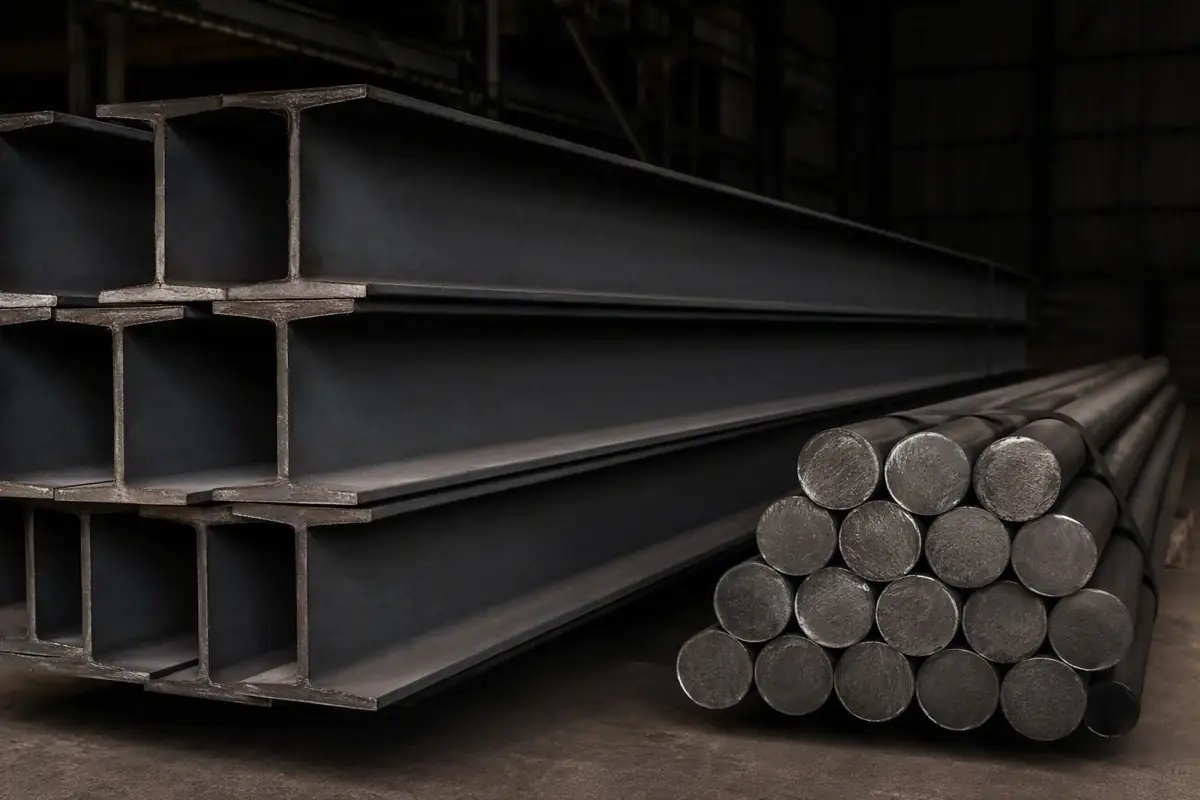
S235 vs S355 Steel: Which Structural Steel to Choose?
We compare S235JR and S355J2 structural steels by yield strength, chemical composition, weldability and cost — which grade should you choose and when?
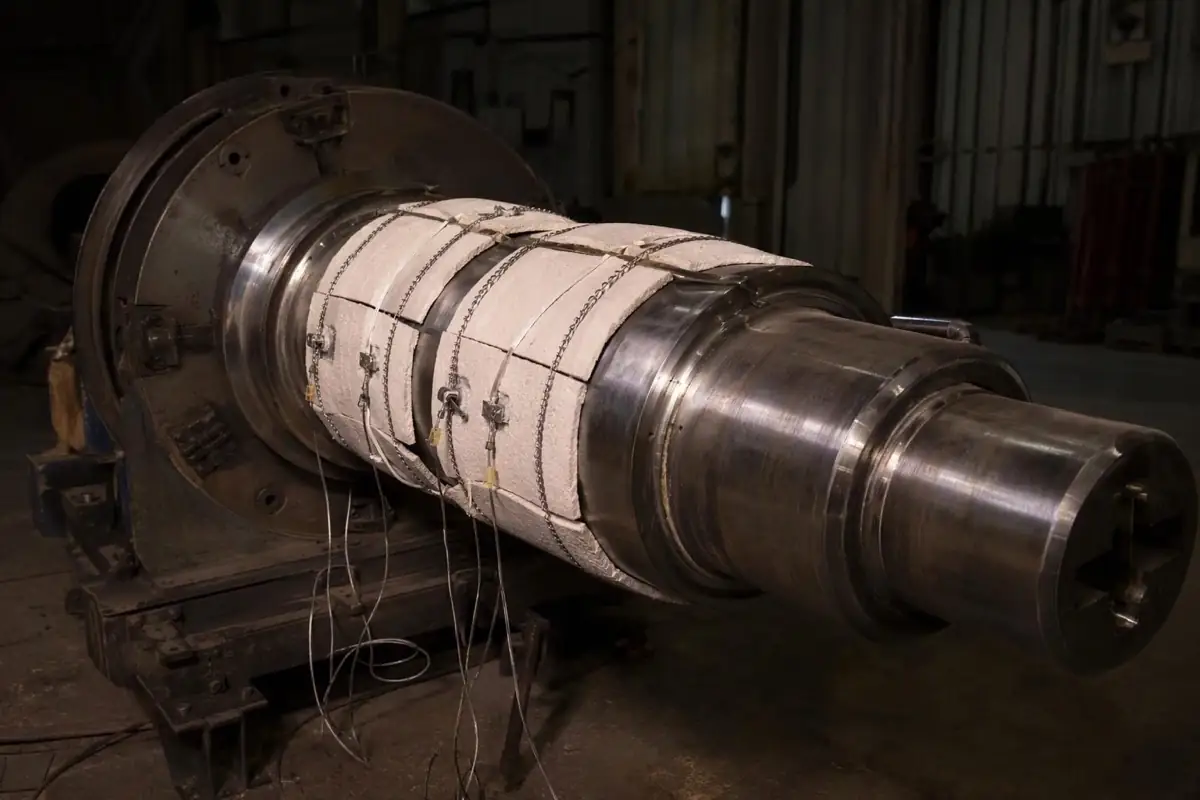
Welding 42CrMo4: Preheat, Interpass and PWHT for Q&T Steels
42CrMo4 and other quenched and tempered steels can be welded, but only under conditions: preheat, low-hydrogen consumables, controlled interpass temperature and post-weld heat treatment. The rule most often missed: on a quenched and tempered part, PWHT must not exceed the tempering temperature of the material. Datasheet values, the EN 1011-2 calculation and a work-order checklist.