
HYDRAULIC & PNEUMATIC SYSTEMS
Bright steels, honed tubes, and other precision-engineered steel solutions specifically designed for hydraulic cylinders, piston rods, and circuit components operating under high pressure.
Sector Overview
Download Sector Sheet (PDF)Hydraulic and pneumatic systems serve critical functions in virtually every area of modern industry. Cylinders, the heart of these systems, require high operating pressure (250-350 bar), precise motion control, and long service life. At Aktif Celik, we supply piston rods and cylinder tubes, the most critical material needs of hydraulic cylinder manufacturers.
Bright steel bars in CK45 and 42CrMo4 grades with h7/h8 tolerance are offered for piston rods. Supplied ready for surface hardening (induction) and chrome plating applications, these bars stand out with low surface roughness (Ra 0.2-0.4 micron), high straightness, and flawless surface quality.
For cylinder bodies, seamless steel tubes with internally honed surfaces (H8 tolerance, Ra<0.4) compliant with EN 10305-4 standard are supplied. These tubes in E355 and St52 grades are delivered ready for direct assembly.
For your hydraulic cylinder projects, we provide a complete material package including piston rods, honed tubes, body materials, and connection elements, offering the advantage of single-point procurement.
Steel Grades Used
The most preferred steel grades in this sector
Application Areas
Compliance Standards
International technical standards our products comply with
Related Products
Product groups we supply for this sector
Related Engineering Tools
Technical calculation tools related to this sector
Related Production Processes
Key production processes used in this sector
Frequently Asked Questions
Which steel products are used in Hydraulic & Pneumatic Systems?
What standards apply in Hydraulic & Pneumatic Systems?
Why choose Aktif Celik for Hydraulic & Pneumatic Systems?
GET A QUOTE FOR THIS SECTOR
We offer custom solutions for steel material supply. Contact our technical team to get a quote tailored to your project.
What is a chrome plated rod (hydraulic cylinder rod)?
A chrome plated rod is a precision-ground steel bar — usually induction hardened and hard-chrome plated (typically 20–30 µm) — used as the piston rod of hydraulic and pneumatic cylinders. The standard base material is CK45 (C45); quenched-and-tempered 42CrMo4 is used for higher loads. Typical specs: f7 tolerance, surface roughness Ra ≤ 0.2 µm, and 54–60 HRC surface hardness on induction-hardened types.
Why chrome + induction, and how to select
Hard chrome plating provides the ultra-low roughness the seals need, plus corrosion resistance and a wear surface. Induction hardening creates a hard support layer under the plating that prevents denting and scoring under impact — standard for mobile hydraulics (excavators, cranes). Selection criteria: working pressure and buckling length (diameter), environment (thicker duplex chrome or nickel-chrome for marine/chemical service) and load type (impact → induction-hardened CK45 or 42CrMo4). On the cylinder side, honed tube (H8, Ra ≤ 0.4 µm) is used — rod and tube together determine seal life.
Frequently Asked Questions
What is the base material of a chrome plated rod?+
CK45 (C45) as standard — induction hardened or soft; for high load and impact, quenched-and-tempered 42CrMo4 is preferred.
How thick should the chrome layer be?+
20–30 µm as standard; in corrosive service (marine, fertilizer, chemical) 40+ µm duplex chrome or nickel+chrome is recommended.
When is an induction-hardened rod required?+
In impact and side-load applications (excavators, agriculture, cranes) — the 54–60 HRC surface prevents denting and scoring under the chrome.
To which tolerance are hydraulic rods made?+
Standard ISO f7 diameter tolerance, Ra ≤ 0.2 µm roughness and tight roundness — critical for seal life.
Related Blog Posts
Technical articles, guides and industry analyses
Steel Bar Usage in the Automotive Industry and 2026 Trends
The most commonly used steel bar grades in the automotive industry and 2026 trends. The impact of electric vehicle transition, lightweighting, and sustainability requirements on material selection.
Steel Material Selection Guide for Petrochemical Plants
A guide to selecting the right steel material for petrochemical and refinery plants. Step-by-step material determination based on temperature, pressure, corrosion mechanisms, and ASTM standards.
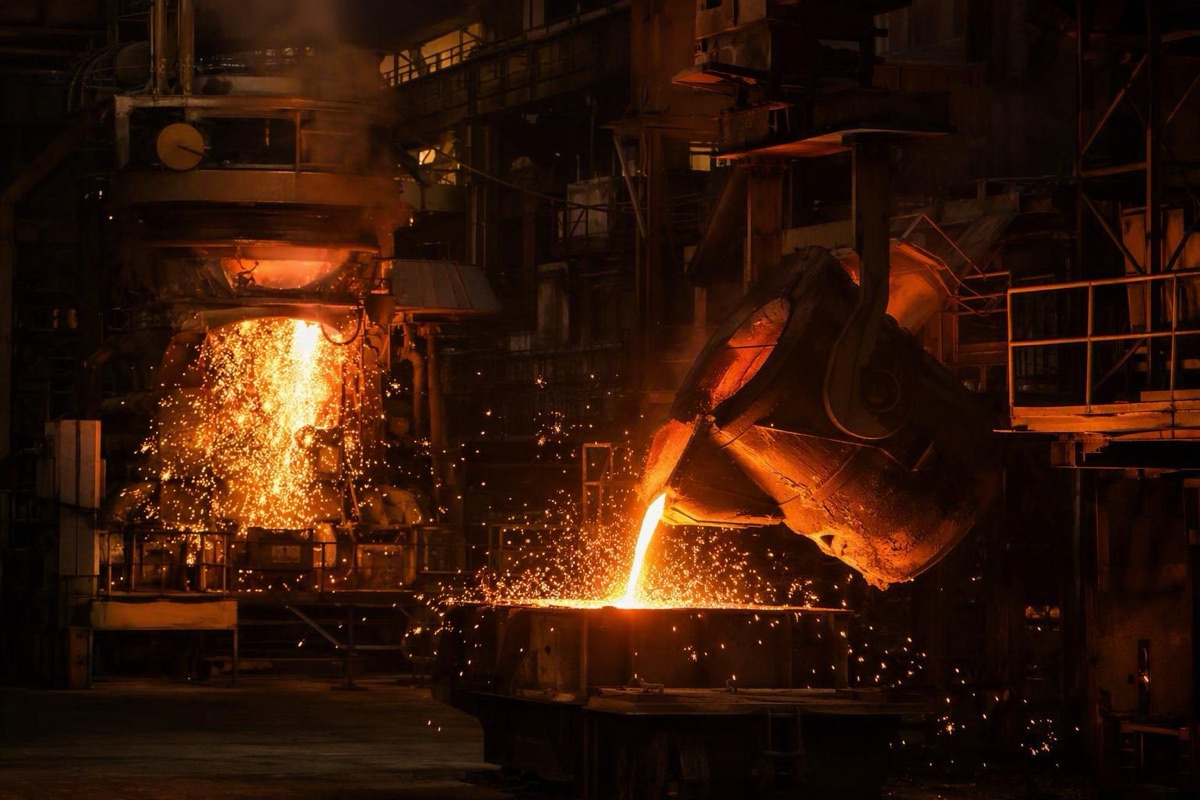
EAF vs BOF: Electric Arc Furnace vs Basic Oxygen Furnace
We compare the electric arc furnace (EAF) and the basic oxygen furnace (BOF) by energy source, charge material, scale, carbon footprint and typical products.