
Shot Blasting
Surface preparation with steel shot. Surface cleaning and profiling to ISO 8501-1 Sa 2.5 cleanliness with S110–S780 shot sizes for coating preparation.
Shot blasting is a surface preparation process using steel shot to clean oxide scale, sand residue and paint remnants from cast parts, steel structures and pipe/profile surfaces. The Sa 2.5 "very thorough blast cleaning" grade defined in ISO 8501-1 is the commonly targeted cleanliness level before painting and coating.
Steel shots are produced from atomized steel, heat-treated and classified into size ranges S110–S780. S230–S330 for general cleaning, S390–S460 for heavy scale removal, S550+ for aggressive surface profiling. The process not only cleans the surface but also creates compressive residual stresses providing a "shot peening" effect that improves fatigue life.
This process is carried out at partner mills across our supply network. Aktif Çelik is responsible for grade selection, conformity to specification, inspection documentation (EN 10204) and shipment follow-up.
Technical Parameters
Shot Blasting — Key technical data of the process
Equipment & Facilities
- Wheel (turbine) shot blasting machines
- Pressure air blasting cabinets
- Steel shot and grit circulation system
- Screens and separators (worn shot screening)
- Dust collection and filtration system
- Surface roughness measuring instruments (profilometer)
- Profile replica tape (Testex tape)
Quality Control Points
- Visual cleanliness assessment: ISO 8501-1 / SSPC-VIS 1
- Surface profile measurement: Ra and Rz profilometer
- Shot size distribution: sieve analysis control
- Salt contamination test (Bresle method)
- Compliance with paint/coating manufacturer specifications
- Operating mix optimization
Reference Standards
Technical Support & Quote
Shot Blasting — For detailed technical information, capacity details and custom production requests, contact our expert team.
What is shot blasting?
Shot blasting cleans mill scale, rust and old coatings by hurling steel shot or grit at the surface with a high-speed turbine wheel. Unlike air (sand) blasting, the media is thrown by a wheel and recycled in a closed loop — faster and cheaper for serial production. Cleanliness is specified per ISO 8501-1; the standard target before painting or coating is **Sa 2.5** (very thorough cleaning).
Media choice, Sa grades and shot peening vs blasting
Round steel shot peens and cleans the surface with a light texture; angular grit cuts more aggressively and opens a deeper anchor profile for coating adhesion. Cleanliness grades run Sa 1 (light), Sa 2, Sa 2.5 (the pre-coating standard) and Sa 3 (white metal). The surface profile (Rz) is chosen to match the coating thickness. Shot peening uses the same equipment for a different goal: not cleaning, but inducing controlled compressive stress to extend fatigue life (springs, gears, shafts). Castings, structural steel, plate and profiles are the main shot-blasting applications.
Frequently Asked Questions
What is the difference between sand blasting and shot blasting?+
Sand (air) blasting propels media with compressed air (flexible, local work); shot blasting throws it with a turbine wheel and recycles the media — faster, cheaper and dust-free for serial production.
What does Sa 2.5 mean?+
A 'very thorough' cleanliness grade per ISO 8501-1: scale, rust and foreign matter almost completely removed — the industry-standard surface before painting/coating.
Shot vs grit media — what is the difference?+
Shot (round) peens and cleans with a light profile; grit (angular) cuts aggressively and opens a deep anchor profile for coating adhesion.
Is shot peening the same as shot blasting?+
No. Blasting is for cleaning/surface preparation; peening induces compressive stress to increase fatigue strength (springs, gears, shafts).
Related Blog Posts
Technical articles, guides and industry analyses
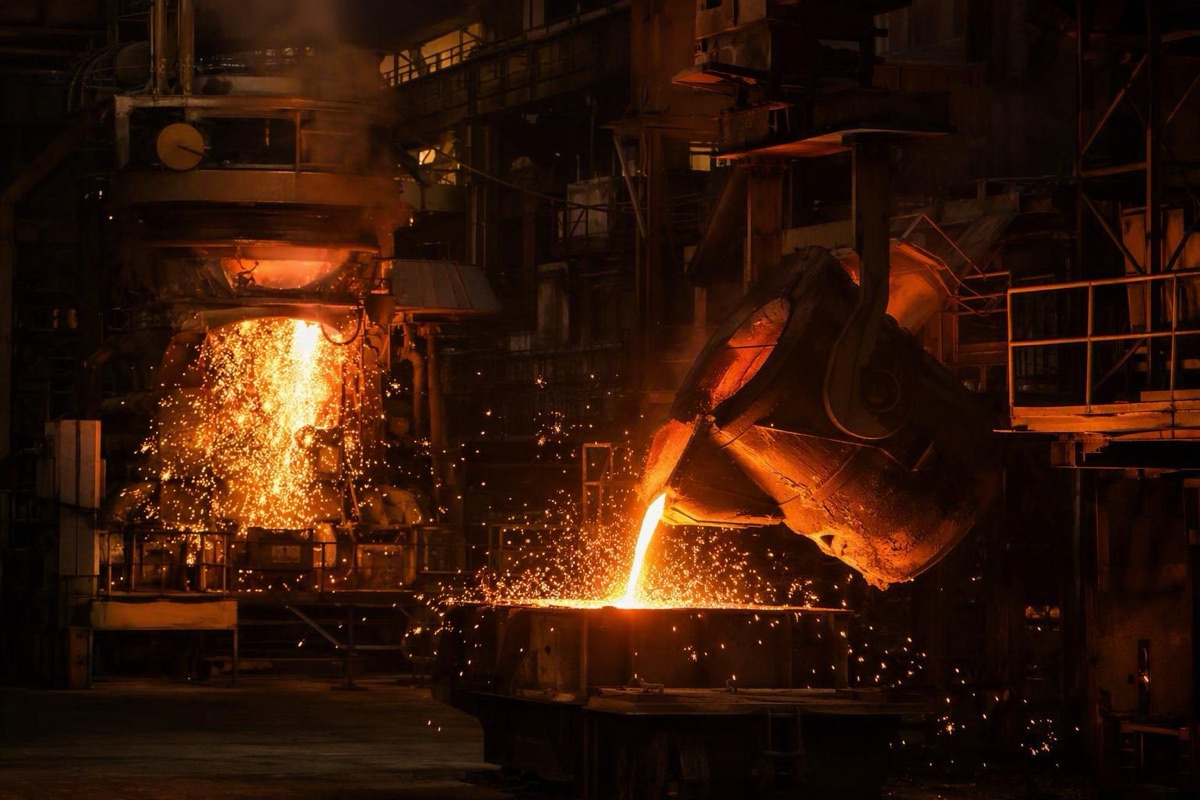
EAF vs BOF: Electric Arc Furnace vs Basic Oxygen Furnace
We compare the electric arc furnace (EAF) and the basic oxygen furnace (BOF) by energy source, charge material, scale, carbon footprint and typical products.
What Is Annealing of Steel? Types, Temperatures and Uses
What is annealing and why does it soften steel? We explain full, process, stress-relief and spheroidize annealing — their temperatures, mechanisms and the difference from normalizing.
Steel Heat Treatment Processes: Annealing, Quenching & Tempering, Normalizing Guide
A comprehensive guide to steel heat treatment processes. Parameters, suitable steel grades, and proper process selection for annealing, normalizing, quenching & tempering, and case hardening.