
Shot Blasting Consumption
Calculator
Calculate steel shot/grit consumption and cost for blasting operations. Accurate cost estimation based on surface condition and media type.
Steel Shot Cost Calculation
Calculation Formulas
Consumption Rates
- Light Rust: 40 kg/m²
- Medium Rust: 60 kg/m²
- Heavy Rust: 80 kg/m²
- Paint Removal: 50 kg/m²
Media Prices
- S330 Steel Shot: $1.50/kg
- S460 Steel Shot: $1.80/kg
- Steel Grit (GP): $2.00/kg
- Garnet: $0.80/kg
* Prices are for reference only, contact us for current pricing. Actual consumption may vary based on machine efficiency, nozzle diameter and part geometry.
Steel Shot Supply
S330, S460 steel shot and grit supply. Consulting on proper media selection for your surface preparation project.
Get a QuoteWhat are shot-blasting surface prep grades (Sa2.5, Sa3)?
Blast-cleaning grades define how clean a steel surface is before painting/coating per ISO 8501-1: Sa1 (light), Sa2 (thorough), Sa2.5 (very thorough — about 95% clean; the most common requirement for industrial paints) and Sa3 (white metal — 100% clean, the highest grade). Coating life depends largely on this cleanliness grade and the resulting surface profile (roughness, Rz).
Sa grades, surface profile and abrasive consumption
Blast cleaning (grit/shot blasting) serves two purposes: to clean the surface of rust/mill scale/dirt, and to create roughness (anchor profile) so the coating can grip. Cleanliness grades (ISO 8501-1): • Sa1 — light: loose mill scale and rust removed. • Sa2 — thorough: most of the surface cleaned. • Sa2.5 — very thorough: ≈95% clean; only light staining remains. The standard requirement for industrial paint systems. • Sa3 — to white metal: 100% clean, metallic sheen. For the most demanding corrosion environments. Besides the cleanliness grade, the surface profile (Rz, typically 40–100 µm) is critical for coating adhesion and is set by abrasive type/size. Abrasive consumption depends on surface condition, target grade and machine efficiency. Aktif Çelik supplies forged steel shot, steel grit and silica sand for blasting; see our surface-treatment sector page for details.
ISO 8501-1 Surface Preparation Grades
| Grade | Description | Residual Mill Scale (%) | Typical Application |
|---|---|---|---|
| Sa 1 | Light blast cleaning | ≤50% | Touch-up/minor repair |
| Sa 2 | Thorough blast cleaning | ≤33% | General painting |
| Sa 2½ | Very thorough blast cleaning | ≤5% | High-performance coatings |
| Sa 3 | Blast cleaning to visually clean steel | 0% | Critical/immersion service |
| St 2 | Hand/power tool cleaning (loosened removed) | — | Minor repair |
| St 3 | Very thorough hand/power tool cleaning (metallic sheen) | — | Maintenance painting |
Frequently Asked Questions
What does Sa2.5 blast cleaning mean?+
Per ISO 8501-1 it is 'very thorough blast cleaning': about 95% of the surface is cleared of rust, scale and dirt; only light staining/shadows may remain. It is the most common cleanliness grade required by industrial paint and coating systems.
What is the difference between Sa2.5 and Sa3?+
Sa2.5 cleans ≈95% of the surface (light shadows may remain); Sa3 is a 100% clean 'white metal' surface (metallic sheen). Sa3 is more expensive and used only for the most demanding corrosion/coating requirements.
Why does surface profile (Rz) matter?+
Blasting creates a roughness (anchor profile) that the coating grips mechanically. A typical value is 40–100 µm Rz. Too low a profile means weak adhesion; too high means thin coating over the peaks.
What does abrasive (shot/grit/sand) consumption depend on?+
The initial surface condition (rust level), the target cleanliness grade (Sa2.5 vs Sa3), abrasive type and size, and machine/nozzle efficiency. A higher grade and a dirtier surface require more abrasive and time.
What is the difference between Sa 2½ and Sa 3 in practice?+
Sa 2½ allows up to 5% light shadows/streaks and is the most common spec for protective coatings; Sa 3 requires 100% uniform metallic color — 30-50% more time/cost, typically only for immersion service or zinc-silicate primers.
Related Products
Related Sectors
Other Tools
Related Blog Posts
Technical articles, guides and industry analyses
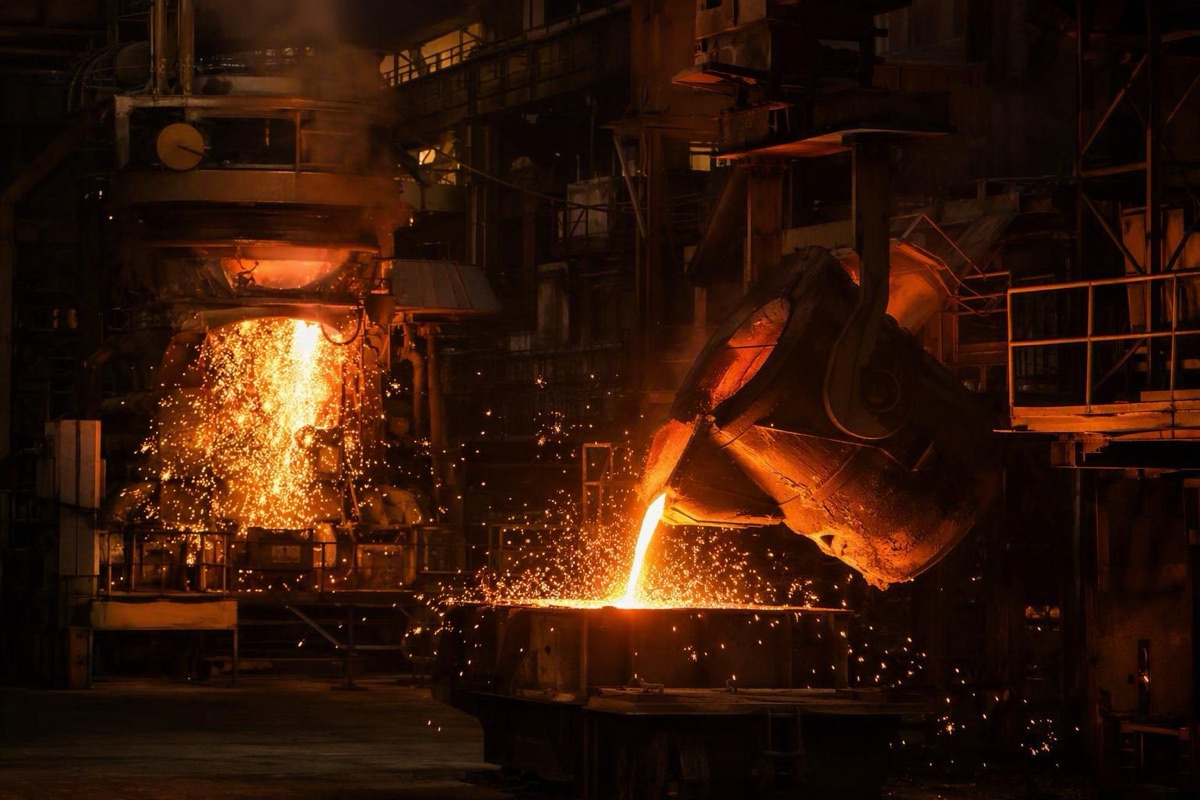
EAF vs BOF: Electric Arc Furnace vs Basic Oxygen Furnace
We compare the electric arc furnace (EAF) and the basic oxygen furnace (BOF) by energy source, charge material, scale, carbon footprint and typical products.
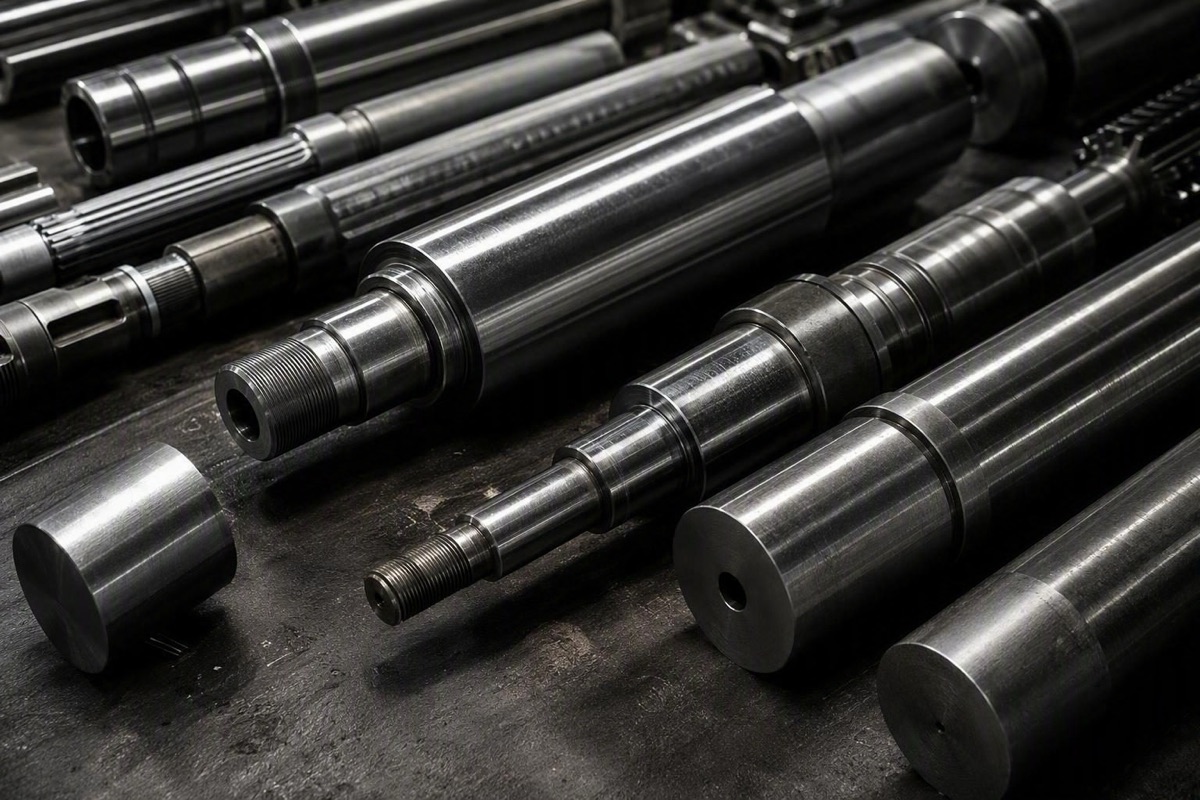
C45 vs 42CrMo4 Steel: Carbon or Alloy — Which to Choose?
We compare C45 (1045) carbon steel with 42CrMo4 (4140) chrome-moly quenched & tempered steel by hardenability, strength, welding and cost — which to choose and when?