
Bolt Torque Chart
Metric Tightening Torques
Recommended tightening torque values for M6-M36 bolt sizes. Grade 8.8, 10.9, and 12.9. Dry and oiled conditions.
Select Bolt Size
All Torque Values (Dry)
| Bolt Size | Grade 8.8 (Nm) | Grade 10.9 (Nm) | Grade 12.9 (Nm) |
|---|---|---|---|
| M6 | 9.9 | 14.3 | 16.6 |
| M8 | 24 | 34 | 40 |
| M10 | 47 | 67 | 79 |
| M12 | 82 | 117 | 137 |
| M14 | 130 | 186 | 218 |
| M16 | 202 | 289 | 338 |
| M18 | 280 | 400 | 470 |
| M20 | 398 | 569 | 666 |
| M22 | 540 | 773 | 905 |
| M24 | 690 | 987 | 1156 |
| M27 | 1020 | 1460 | 1710 |
| M30 | 1370 | 1960 | 2300 |
| M33 | 1870 | 2670 | 3130 |
| M36 | 2400 | 3430 | 4020 |
* Values apply to standard metric bolts (ISO 898). Click a row to see details.
Technical Notes
- 1.Grade 8.8: General purpose high-strength bolt. Min. tensile strength 800 MPa.
- 2.Grade 10.9: High performance applications. Min. tensile strength 1000 MPa.
- 3.Grade 12.9: Highest strength class. Min. tensile strength 1200 MPa.
- 4.In oiled condition (K=0.12), torque values are approximately 75% of dry (K=0.16) values.
- 5.Flange connections should use cross-pattern (star) tightening method.
Flange & Fastener Supply
As Aktif Celik, we supply Grade 8.8, 10.9, and 12.9 bolts and flange fasteners.
Get a QuoteHow are bolt torque values determined?
Bolt tightening torque depends on the bolt diameter, property class (8.8 / 10.9 / 12.9) and friction. Typical values for class 8.8, dry: M6 ≈ 10 Nm, M8 ≈ 25 Nm, M10 ≈ 49 Nm, M12 ≈ 85 Nm, M16 ≈ 210 Nm, M20 ≈ 410 Nm. Class 10.9 is about 1.4× these values.
Torque, preload and friction
Tightening torque is applied to create a controlled preload (clamp load) in the bolt; most of the torque is actually spent overcoming thread and under-head friction. Lubrication therefore changes the torque–preload relationship: for the same preload, a lubricated joint needs ~15–25% less torque. The values apply to ISO 898-1 property classes and metric ISO threads; for critical joints, always use the manufacturer or standard table.
Common bolt torque values (Grade 8.8, dry)
| Bolt size | Thread pitch (mm) | Torque (Nm) | Torque (ft-lbs) |
|---|---|---|---|
| M6 | 1.0 | 10 | 7.4 |
| M8 | 1.25 | 25 | 18.4 |
| M10 | 1.5 | 49 | 36.1 |
| M12 | 1.75 | 85 | 62.7 |
| M14 | 2.0 | 135 | 99.6 |
| M16 | 2.0 | 210 | 155 |
| M18 | 2.5 | 294 | 217 |
| M20 | 2.5 | 410 | 302 |
| M22 | 2.5 | 555 | 409 |
| M24 | 3.0 | 710 | 524 |
| M27 | 3.0 | 1050 | 774 |
| M30 | 3.5 | 1450 | 1070 |
Values for ISO 898-1 Grade 8.8, metric coarse thread, dry friction (K approx 0.20). Lubricated joints require approximately 30% less torque for the same preload. For Grade 10.9 multiply by 1.4; for Grade 12.9 multiply by 1.65.
Frequently Asked Questions
What is the torque for an M10 8.8 bolt?+
About 48–49 Nm dry. A lubricated joint requires less.
What is the torque difference between class 8.8 and 10.9?+
Class 10.9 has a higher yield strength; for the same diameter its torque is ~1.4× that of 8.8, and 12.9 is ~1.65×.
Why is torque different for lubricated vs dry bolts?+
Lubrication lowers the friction coefficient, so the same preload needs ~15–25% less torque. Assuming dry when lubricated over-tightens the bolt.
How do you calculate bolt torque?+
T = K × d × F (K friction factor ≈0.2 dry; d diameter; F preload). In practice a torque chart is used.
What torque for an M20 bolt?+
Dry M20: ≈410 Nm for class 8.8, ≈490 Nm for 10.9, ≈580 Nm for 12.9. Lubricated joints need 15–25% less torque for the same preload.
Why does dry vs lubricated matter?+
Lubrication lowers friction; applying the dry value to a lubricated bolt over-tightens it and can take it past yield.
What is the difference between dry and lubricated bolt torque?+
Lubricated bolts require approximately 30% less torque to achieve the same clamping force because the friction coefficient drops from ~0.20 (dry) to ~0.12–0.15 (lubricated).
Related Products
Related Sectors
Other Tools
Related Blog Posts
Technical articles, guides and industry analyses
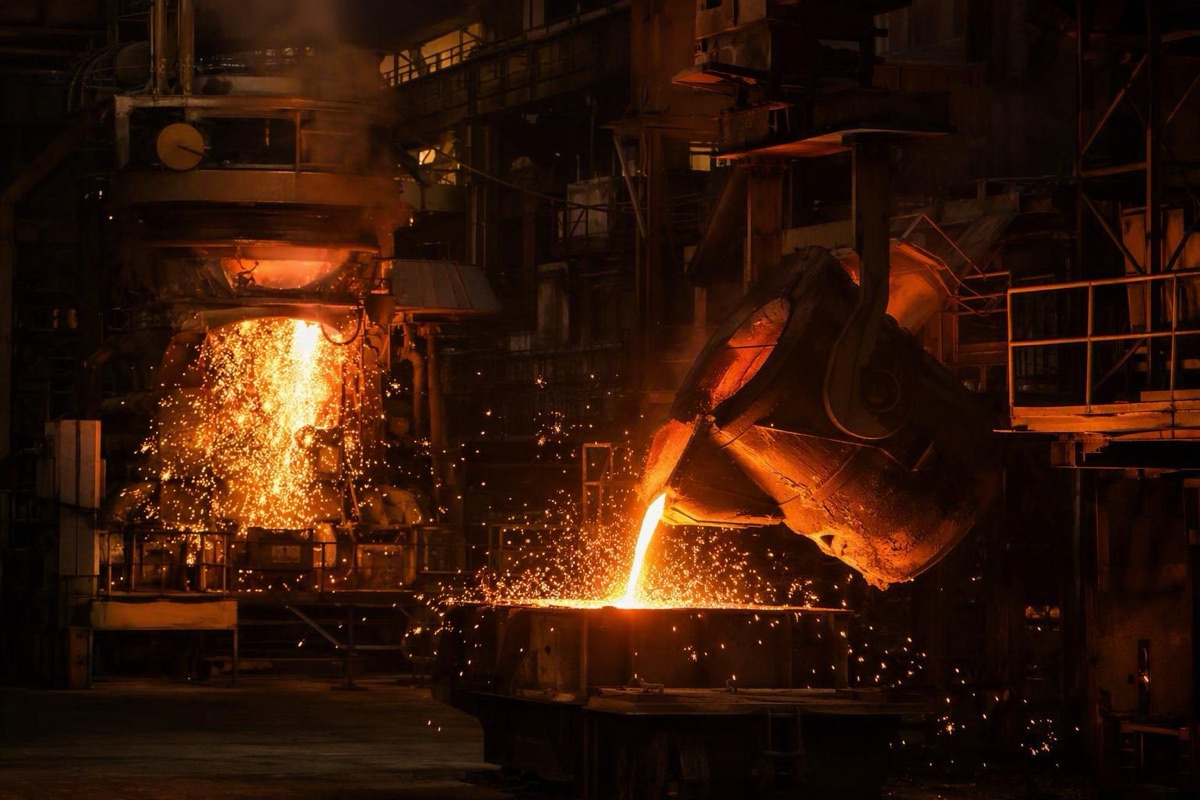
EAF vs BOF: Electric Arc Furnace vs Basic Oxygen Furnace
We compare the electric arc furnace (EAF) and the basic oxygen furnace (BOF) by energy source, charge material, scale, carbon footprint and typical products.
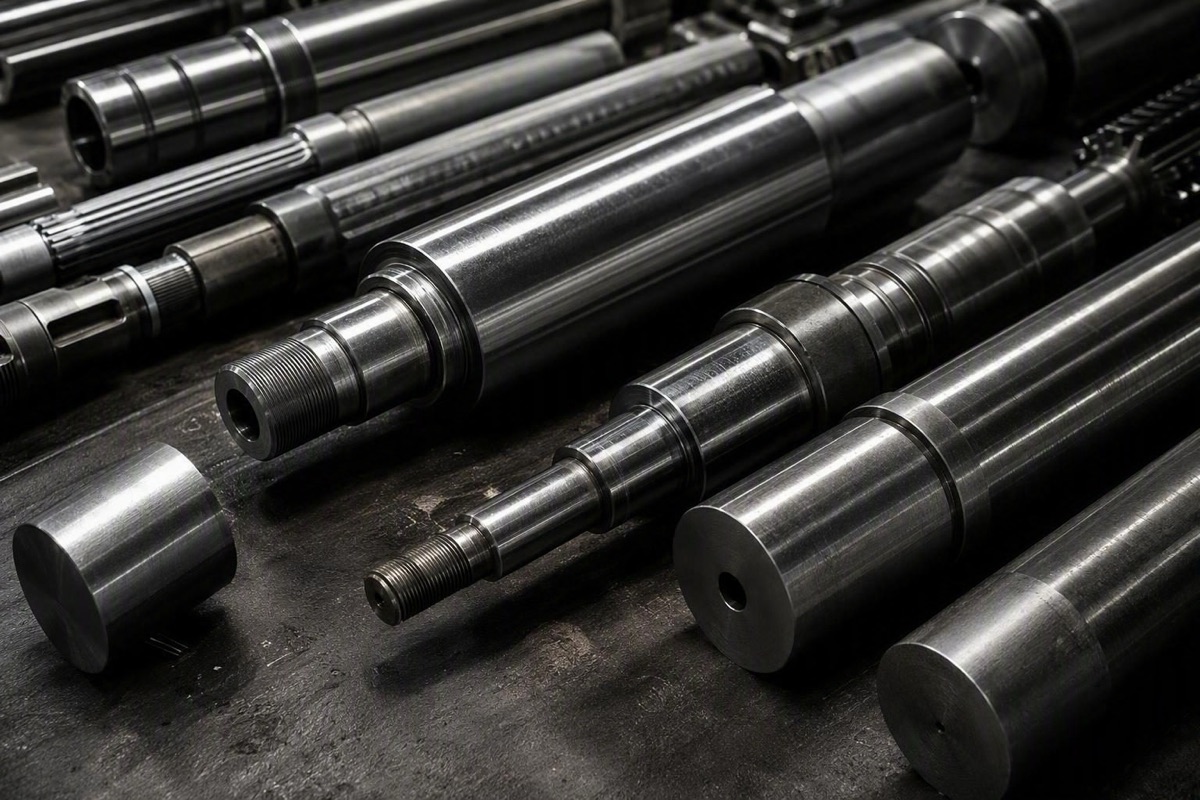
C45 vs 42CrMo4 Steel: Carbon or Alloy — Which to Choose?
We compare C45 (1045) carbon steel with 42CrMo4 (4140) chrome-moly quenched & tempered steel by hardenability, strength, welding and cost — which to choose and when?