
Pig Iron Production
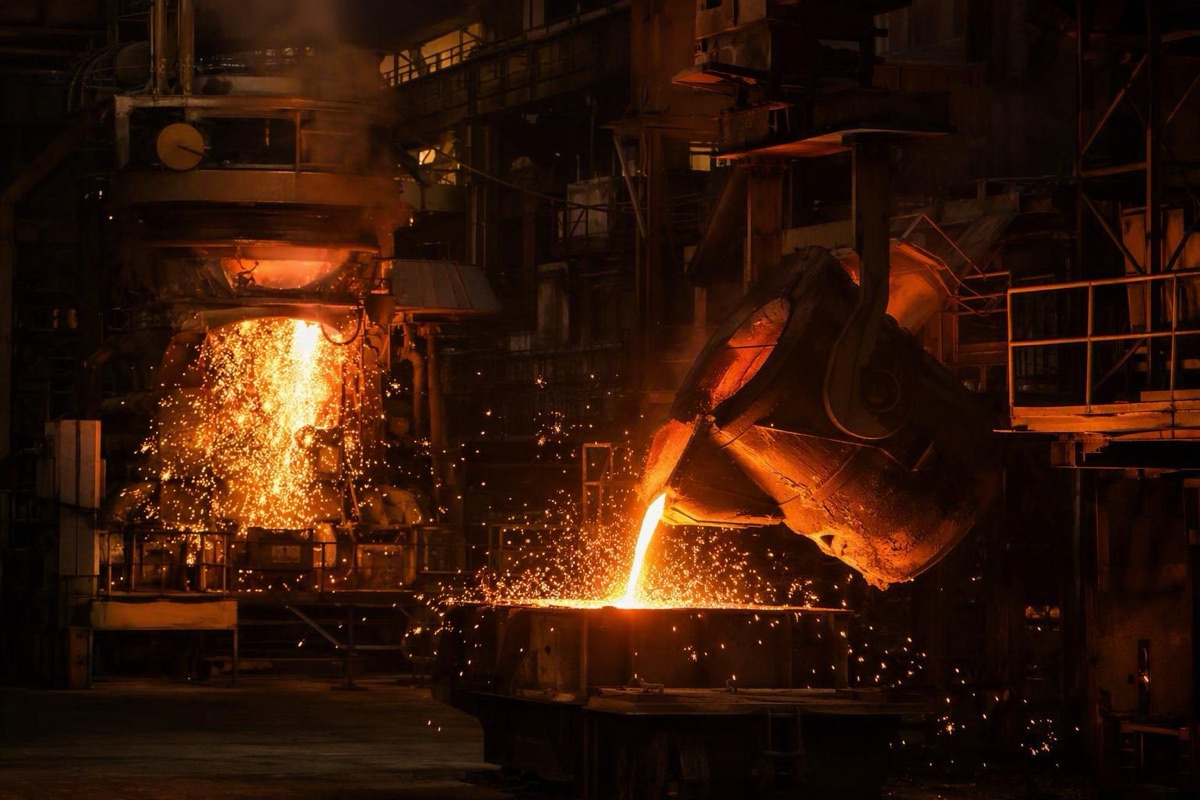
Pig iron production in blast furnace and cupola. Steel pig iron, hematite pig iron and nodular pig iron — each produced to different chemical composition targets.
Pig iron is the most fundamental iron source forming the liquid metal pool of steel foundries and steelworks. Primary pig iron is produced in blast furnaces with continuous charging of iron ore, coke and limestone; while cupola furnaces are used in foundries for remelting scrap, pig iron and coke.
Steel Pig Iron with low P and S content is suitable for steel production, providing a cleaner iron input compared to scrap in EAF plants. Hematite Pig Iron, rich in C and Si, improves melting efficiency in grey cast iron production. Nodular Pig Iron is the most critical pig type requiring ultra-low impurities for ductile iron production.
This process is carried out at partner mills across our supply network. Aktif Çelik is responsible for grade selection, conformity to specification, inspection documentation (EN 10204) and shipment follow-up.
Technical Parameters
Pig Iron Production — Key technical data of the process
Equipment & Facilities
- Blast furnace vertical shaft
- Cupola furnace
- Hot blast stoves (cowper stoves)
- Charge preparation bunkers
- Pig iron casting machines (ingot casting)
- Slag granulation system
- Gas cleaning and energy recovery units
Quality Control Points
- C, Si, Mn, P, S analysis via spectrometer
- Thermal analysis for liquidus temperature and carbon equivalent
- Ingot sampling per tapping batch
- Slag composition monitoring
- Trace element control for nodular pig iron (Ti, V, Al, Pb)
Reference Standards
Technical Support & Quote
Pig Iron Production — For detailed technical information, capacity details and custom production requests, contact our expert team.
Related Blog Posts
Technical articles, guides and industry analyses
EAF vs BOF: Electric Arc Furnace vs Basic Oxygen Furnace
We compare the electric arc furnace (EAF) and the basic oxygen furnace (BOF) by energy source, charge material, scale, carbon footprint and typical products.
What Is Annealing of Steel? Types, Temperatures and Uses
What is annealing and why does it soften steel? We explain full, process, stress-relief and spheroidize annealing — their temperatures, mechanisms and the difference from normalizing.
Steel Heat Treatment Processes: Annealing, Quenching & Tempering, Normalizing Guide
A comprehensive guide to steel heat treatment processes. Parameters, suitable steel grades, and proper process selection for annealing, normalizing, quenching & tempering, and case hardening.