
Casting Process (Sand/Die)
Sand molding, melting, FeSiMg nodularization, inoculation and casting. Precision mold production with AFS 30–70 silica sand and ductile/grey cast iron production.
The casting process is the most critical stage of the metallurgical process where liquid metal is shaped by solidification in a mold cavity. In sand casting, the AFS grain size of silica sand (30–70 range) determines the mold's gas permeability, strength and surface quality of the cast part.
In ductile iron production, liquid metal is first treated with FeSiMg alloys (Sandwich method) to promote spheroidal graphite precipitation. Then Ca/Ba/Sr-based inoculants increase graphite nucleation, raising nodule count and reducing carbide formation.
This process is carried out at partner mills across our supply network. Aktif Çelik is responsible for grade selection, conformity to specification, inspection documentation (EN 10204) and shipment follow-up.
Technical Parameters
Casting Process (Sand/Die) — Key technical data of the process
Equipment & Facilities
- Sand preparation: mixer, AFS-controlled silica sand, bentonite dosing
- Medium-frequency induction furnaces
- Cupola furnace (high tonnage production)
- Special pocket Mg treatment ladle (Sandwich)
- Cored wire feeding systems
- Inoculant dosing units
- Shakeout, vibratory screens and cleaning lines
- Casting ladles (SiC/graphite)
Quality Control Points
- Thermal analysis: liquidus temperature and carbon equivalent (CE)
- Real-time spectrometer chemical analysis (C, Si, Mn, Mg, S)
- Microstructure: nodularity ≥80%, nodule count >200/mm²
- ASTM E2567-16 graphite shape evaluation
- Sand lab: AFS GFN, moisture, clay content, permeability
- Feeder and gating simulation for shrinkage control
Reference Standards
Related Products
Products obtained or used in this production process
Technical Support & Quote
Casting Process (Sand/Die) — For detailed technical information, capacity details and custom production requests, contact our expert team.
Related Blog Posts
Technical articles, guides and industry analyses
EAF vs BOF: Electric Arc Furnace vs Basic Oxygen Furnace
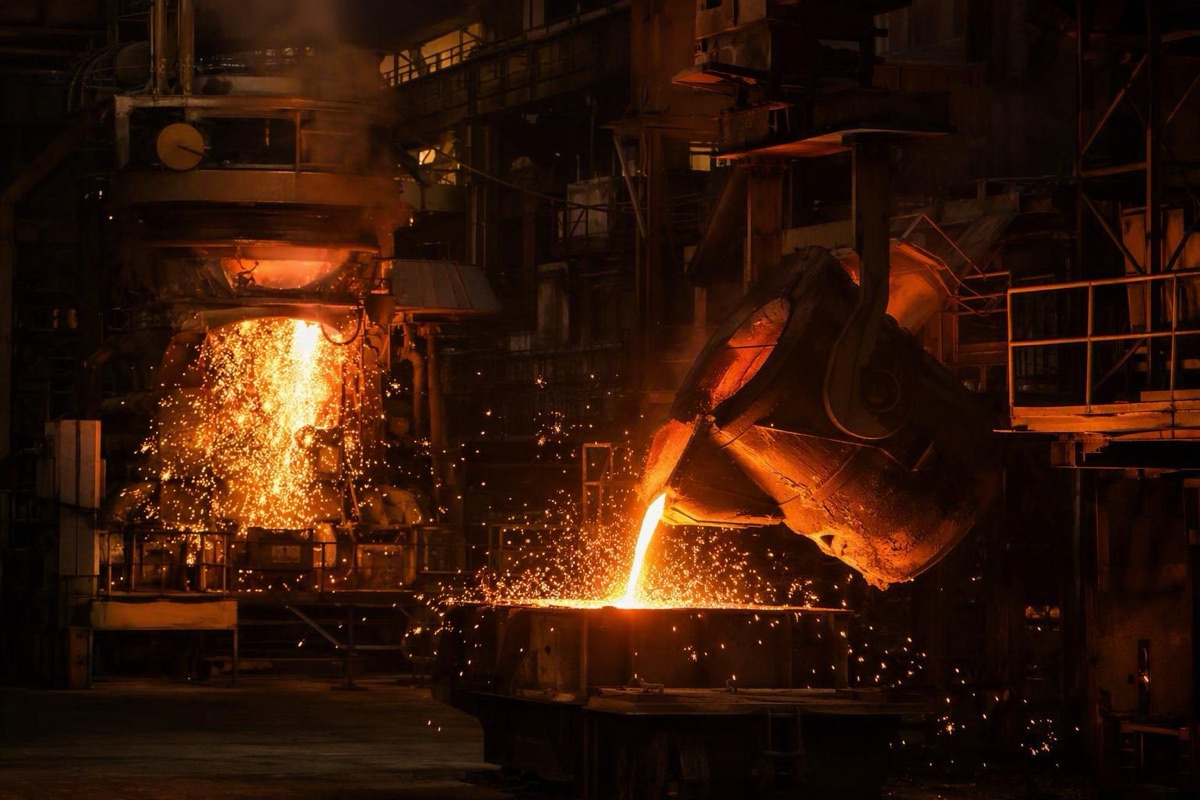
We compare the electric arc furnace (EAF) and the basic oxygen furnace (BOF) by energy source, charge material, scale, carbon footprint and typical products.
What Is Annealing of Steel? Types, Temperatures and Uses
What is annealing and why does it soften steel? We explain full, process, stress-relief and spheroidize annealing — their temperatures, mechanisms and the difference from normalizing.
Steel Heat Treatment Processes: Annealing, Quenching & Tempering, Normalizing Guide
A comprehensive guide to steel heat treatment processes. Parameters, suitable steel grades, and proper process selection for annealing, normalizing, quenching & tempering, and case hardening.