
Steel Chemical Composition
Table
Chemical composition values, applications, and heat treatment info for steel grades.
Select & Analyze Steel Grade
Showing 20 steel grades
| Grade | No. | C% | Si% | Mn% | P% max | S% max | Cr% | Mo% | Ni% |
|---|---|---|---|---|---|---|---|---|---|
| C10E | 1.1121 | 0.07-0.13 | ≤0.40 | 0.30-0.60 | 0.035 | 0.035 | - | - | - |
| C45 | 1.0503 | 0.42-0.50 | ≤0.40 | 0.50-0.80 | 0.030 | 0.035 | ≤0.40 | ≤0.10 | - |
| 11SMnPb30 | 1.0718 | ≤0.14 | ≤0.05 | 0.90-1.30 | ≤0.11 | 0.27-0.33 | - | - | - |
| 16MnCr5 | 1.7131 | 0.14-0.19 | ≤0.40 | 1.00-1.30 | 0.035 | 0.035 | 0.80-1.10 | - | - |
| 42CrMo4 | 1.7225 | 0.38-0.45 | ≤0.40 | 0.60-0.90 | 0.025 | 0.035 | 0.90-1.20 | 0.15-0.30 | - |
| 34CrNiMo6 | 1.6582 | 0.30-0.38 | ≤0.40 | 0.50-0.80 | 0.025 | 0.035 | 1.30-1.70 | 0.15-0.30 | 1.30-1.70 |
| 51CrV4 | 1.8159 | 0.47-0.55 | ≤0.40 | 0.70-1.10 | 0.025 | 0.025 | 0.90-1.20 | - | - |
| 100Cr6 | 1.3505 | 0.93-1.05 | 0.15-0.35 | 0.25-0.45 | 0.025 | 0.015 | 1.35-1.60 | - | - |
| S235JR | 1.0038 | ≤0.17 | - | ≤1.40 | 0.035 | 0.035 | - | - | - |
| S355J2 | 1.0577 | ≤0.20 | ≤0.55 | ≤1.60 | 0.025 | 0.025 | - | - | - |
| 304 (1.4301) | 1.4301 | ≤0.07 | ≤1.00 | ≤2.00 | 0.045 | 0.030 | 17.5-19.5 | - | 8.0-10.5 |
| 316L (1.4404) | 1.4404 | ≤0.03 | ≤1.00 | ≤2.00 | 0.045 | 0.030 | 16.5-18.5 | 2.0-2.5 | 10.0-13.0 |
| C35 | 1.0501 | 0.32-0.39 | ≤0.40 | 0.50-0.80 | 0.030 | 0.035 | ≤0.40 | ≤0.10 | - |
| 20MnCr5 | 1.7147 | 0.17-0.22 | ≤0.40 | 1.10-1.40 | 0.035 | 0.035 | 1.00-1.30 | - | - |
| 40CrMnMo7 | 1.2311 | 0.35-0.45 | 0.20-0.40 | 1.30-1.60 | 0.030 | 0.030 | 1.80-2.10 | 0.15-0.25 | - |
| 30CrNiMo8 | 1.6580 | 0.26-0.34 | ≤0.40 | 0.30-0.60 | 0.025 | 0.035 | 1.80-2.20 | 0.30-0.50 | 1.80-2.20 |
| 25CrMo4 | 1.7218 | 0.22-0.29 | ≤0.40 | 0.60-0.90 | 0.025 | 0.035 | 0.90-1.20 | 0.15-0.30 | - |
| GS-45 | 1.0446 | 0.18-0.23 | ≤0.60 | ≤1.50 | 0.030 | 0.030 | - | - | - |
| C60 | 1.0601 | 0.57-0.65 | ≤0.40 | 0.60-0.90 | 0.030 | 0.035 | ≤0.40 | ≤0.10 | - |
| 50CrMo4 | 1.7228 | 0.46-0.54 | ≤0.40 | 0.50-0.80 | 0.025 | 0.035 | 0.90-1.20 | 0.15-0.30 | - |
* Values per EN 10083, EN 10084, EN 10088 standards. Check material certificate for detailed info.
Material Certificate & Technical Support
Contact our expert team for steel grade and chemical composition information you need.
Contact UsWhat is the chemical composition of steel?
The chemical composition of steel is the weight percentage of its elements: iron (Fe) + carbon (0.05–2.1% C) plus alloying elements (Mn, Si, Cr, Ni, Mo, V...). Examples: 42CrMo4 = 0.38–0.45% C, 0.90–1.20% Cr, 0.15–0.30% Mo; 16MnCr5 = 0.14–0.19% C, 1.00–1.30% Mn, 0.80–1.10% Cr. Composition determines strength, hardenability, machinability and weldability.
What do the alloying elements do?
Carbon (C) is the main source of hardness and strength; more carbon means lower weldability. Manganese (Mn) raises strength and hardenability and binds sulphur. Chromium (Cr) gives hardenability, wear and corrosion resistance; molybdenum (Mo) adds high-temperature strength and resistance to temper embrittlement; nickel (Ni) adds toughness; vanadium (V) refines grain and improves wear resistance. Sulphur (S) and phosphorus (P) are generally undesirable (S is intentionally high in free-cutting steels). Standards (EN 10083, EN 10084, ASTM) define the composition ranges per grade; the exact analysis is reported in the material certificate (EN 10204 3.1).
Chemical Composition of Common Structural Steels (wt%)
| Grade | C (max) | Mn (max) | Si (max) | P (max) | S (max) |
|---|---|---|---|---|---|
| S235JR | 0.17 | 1.40 | — | 0.035 | 0.035 |
| S275JR | 0.21 | 1.50 | — | 0.035 | 0.035 |
| S355J2 | 0.20 | 1.60 | 0.55 | 0.025 | 0.025 |
| A36 | 0.26 | — | 0.40 | 0.04 | 0.05 |
| A572 Gr.50 | 0.23 | 1.35 | 0.40 | 0.04 | 0.05 |
| St52-3 | 0.20 | 1.60 | 0.55 | 0.035 | 0.035 |
| C45 | 0.42-0.50 | 0.50-0.80 | 0.40 | 0.045 | 0.045 |
| 42CrMo4 | 0.38-0.45 | 0.60-0.90 | 0.40 | 0.025 | 0.035 |
| 16Mo3 | 0.12-0.20 | 0.40-0.90 | 0.35 | 0.025 | 0.010 |
Frequently Asked Questions
What is the chemical composition of 42CrMo4?+
0.38–0.45% C, 0.60–0.90% Mn, 0.90–1.20% Cr, 0.15–0.30% Mo (EN 10083-3). The AISI equivalent is 4140.
What is the composition of 16MnCr5?+
0.14–0.19% C, 1.00–1.30% Mn, 0.80–1.10% Cr (EN 10084). It is a case-hardening steel.
How does carbon content affect steel?+
More carbon increases hardness and strength but reduces ductility, toughness and weldability. Up to 0.25% is low, 0.25–0.60% medium, above that high carbon.
How is the chemical analysis verified?+
By spectrometer (OES) analysis; the result is reported in the material certificate (EN 10204 3.1) as heat and product analysis.
Why is carbon content the most important element in structural steel?+
Carbon directly determines strength and hardness (every 0.1% C increases tensile strength by ~70 MPa) but reduces weldability and ductility; structural steels are kept below 0.25% C for this reason.
Related Products
Related Sectors
Other Tools
Related Blog Posts
Technical articles, guides and industry analyses
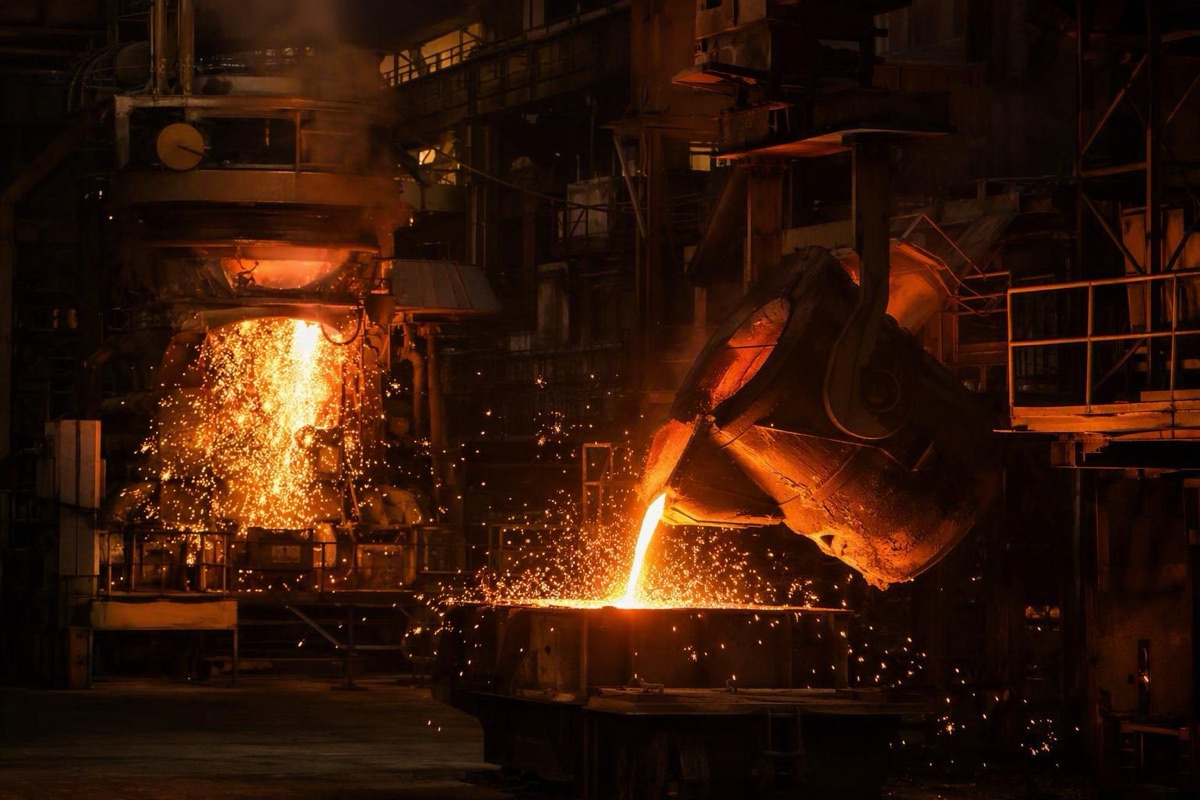
EAF vs BOF: Electric Arc Furnace vs Basic Oxygen Furnace
We compare the electric arc furnace (EAF) and the basic oxygen furnace (BOF) by energy source, charge material, scale, carbon footprint and typical products.
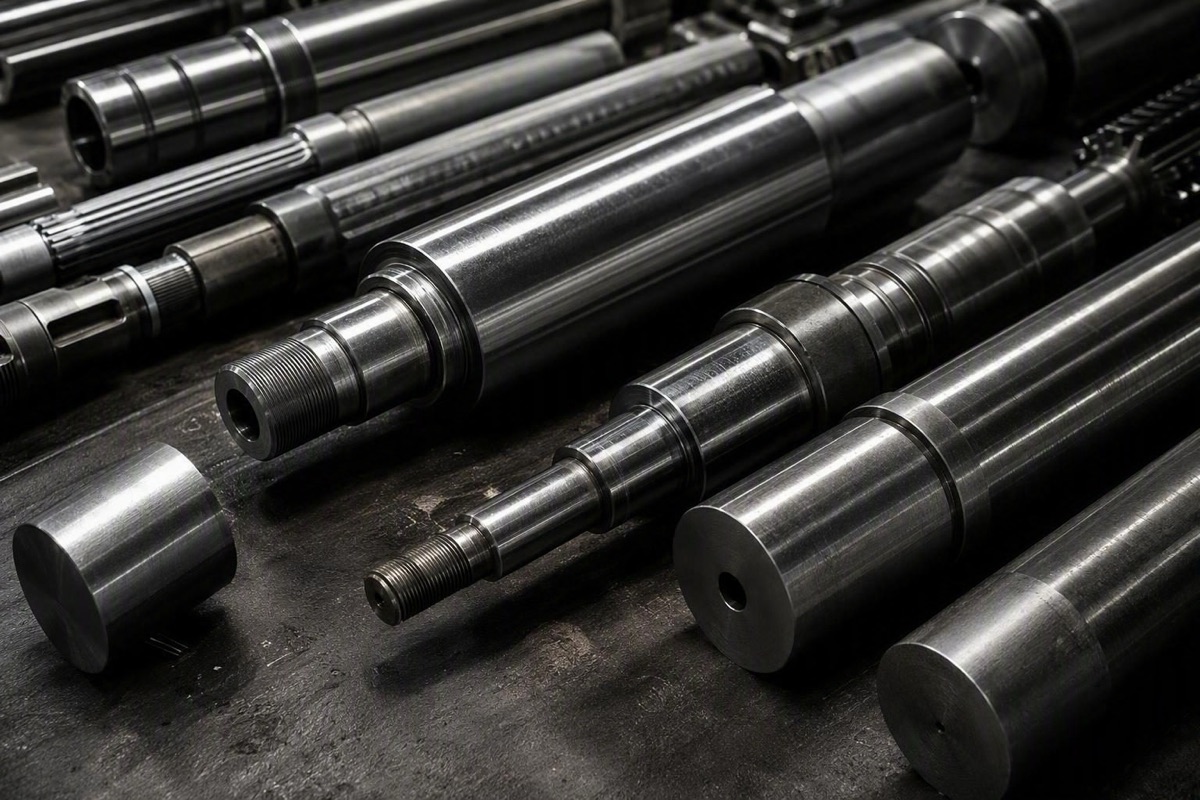
C45 vs 42CrMo4 Steel: Carbon or Alloy — Which to Choose?
We compare C45 (1045) carbon steel with 42CrMo4 (4140) chrome-moly quenched & tempered steel by hardenability, strength, welding and cost — which to choose and when?