
Foundry Charge
Calculator
Calculate pig iron, FeSi and FeMn quantities for your foundry furnace. Determine the correct charge mix to achieve target chemical composition.
Ferro Alloy Quantity Calculation
Total Metal Amount
Target Composition (%)
Scrap Composition (%)
Recovery Rates (%)
Calculation Formulas
* This calculation gives approximate values. In actual casting conditions, factors such as temperature, slag basicity, and holding time affect recoveries.
Ferro Alloy Supply
Contact us for supply of FeSi, FeMn, pig iron and foundry raw materials.
Get a QuoteHow is a furnace charge calculated?
Charge calculation determines the amounts of scrap, pig iron and ferroalloys to load into a melting furnace to hit the target chemical composition and cast weight. The basis is a mass balance: for each element, the required addition = (target % − current %) × liquid metal weight ÷ (ferroalloy content × recovery). The total charge weight is found from the target liquid weight allowing for metallic yield (melt loss). Each element uses its own recovery rate — e.g. Mn ~90-95%, Si ~85-90%.
Charge logic and recovery factors
Charge calculation is the basis of hitting the required grade in a foundry or steel shop. Two balances are solved together: 1) Weight balance: Total metallic charge = target liquid metal weight ÷ metallic yield. Because of oxidation/slag loss during melting, the charge exceeds the target cast weight. 2) Element balance: For each alloying element, ferroalloys top up whatever the scrap + pig iron already provide. The critical factor is recovery: not all of an element in the ferroalloy transfers to the melt; some oxidizes. Typical recoveries: Mn 90-95%, Si 85-90%, Cr 95%, C varies by furnace type. Addition = (target − current) × liquid weight ÷ (ferro content % × recovery %). Example: to raise Mn by 0.3% in 1000 kg of melt using 75% FeMn at 90% recovery: (0.003 × 1000) ÷ (0.75 × 0.90) ≈ 4.4 kg FeMn. Aktif Çelik supplies ferro-manganese, ferro-silicon, ferro-chrome and pig iron.
Typical Ferroalloy Addition Rates (per ton of liquid steel)
| Alloy | Typical Grade | Addition Rate (kg/t) | Target Element | Recovery (%) |
|---|---|---|---|---|
| FeSi 75 | 75% Si | 3–5 | Si | 85–90 |
| FeMn HC | 75% Mn | 4–7 | Mn | 90–95 |
| FeMn MC | 80% Mn | 3–5 | Mn | 92–96 |
| FeCr HC | 60% Cr | 5–10 | Cr | 92–95 |
| FeCr LC | 70% Cr | 3–6 | Cr | 95–98 |
| FeV 80 | 80% V | 0.5–1.5 | V | 85–90 |
| FeMo 60 | 60% Mo | 0.3–1.0 | Mo | 95–98 |
| FeNi | 20–40% Ni | 5–15 | Ni | 95–98 |
| FeTi 70 | 70% Ti | 0.5–2.0 | Ti | 50–70 |
| Al | 99% Al | 0.5–2.0 | Deoxidizer | 60–70 |
Values are indicative; actual addition depends on target grade, melt analysis, and slag conditions.
Frequently Asked Questions
What is charge calculation?+
It is determining, by mass balance, the amounts of scrap, pig iron and ferroalloys to load into a melting furnace to achieve the target composition and cast weight. The aim is liquid metal of the correct chemistry and quantity.
How is a ferroalloy addition calculated?+
Addition (kg) = (target % − current %) × liquid metal weight ÷ (ferroalloy element content % × recovery %). Recovery is the fraction of the element that transfers to the melt without oxidizing (e.g. Mn ~90%).
What is the recovery (burn-off) rate?+
It is the percentage of an element in the ferroalloy that transfers to the liquid metal without oxidizing during melting. Typical: Mn 90-95%, Si 85-90%, Cr ~95%. The rest goes to slag; it must be accounted for in the calculation.
Is the total charge weight more than the target cast weight?+
Yes. Because of oxidation and slag losses during melting, metallic yield is below 100%; so the charge = target liquid weight ÷ yield, which is somewhat more than the target.
Why is ferroalloy recovery less than 100%?+
Part of the added alloy oxidizes in contact with slag and atmosphere, and some is lost as fume; recovery depends on addition method (ladle vs furnace), temperature, slag basicity, and element reactivity — aluminum has ~60-70% recovery while nickel approaches 95-98%.
Related Products
Other Tools
Related Blog Posts
Technical articles, guides and industry analyses
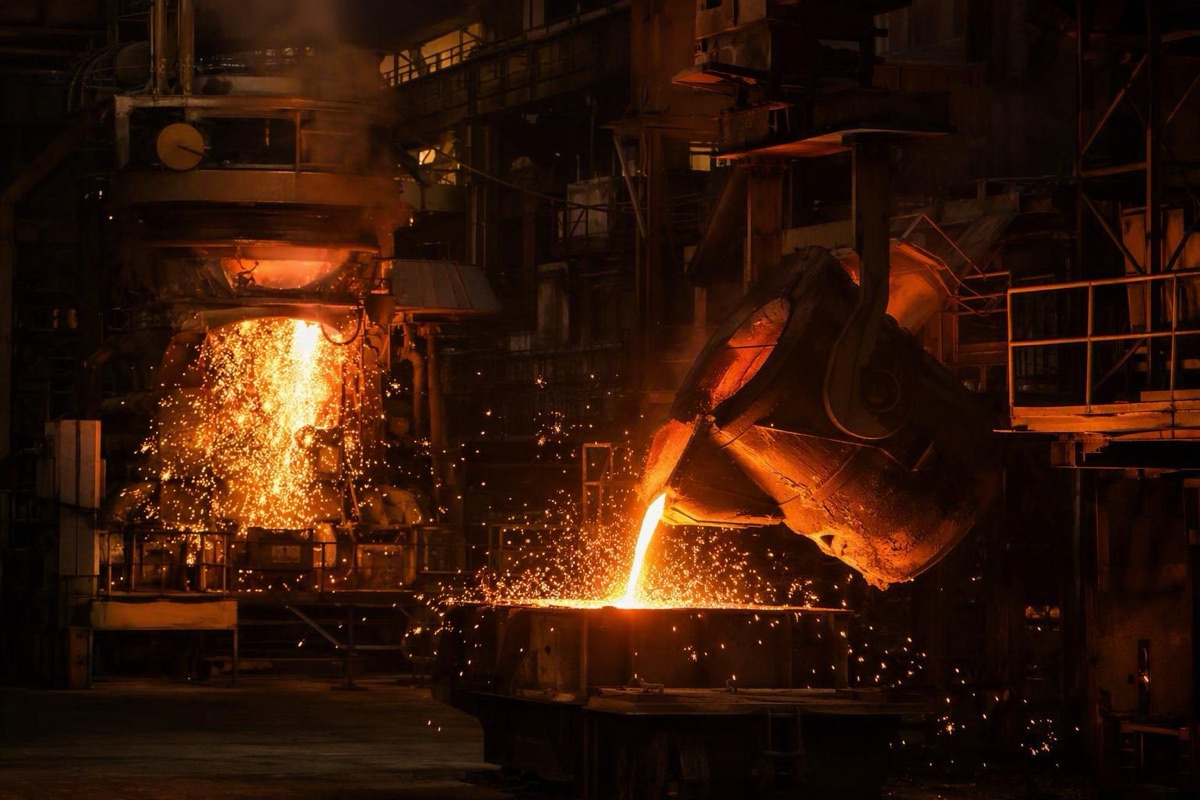
EAF vs BOF: Electric Arc Furnace vs Basic Oxygen Furnace
We compare the electric arc furnace (EAF) and the basic oxygen furnace (BOF) by energy source, charge material, scale, carbon footprint and typical products.
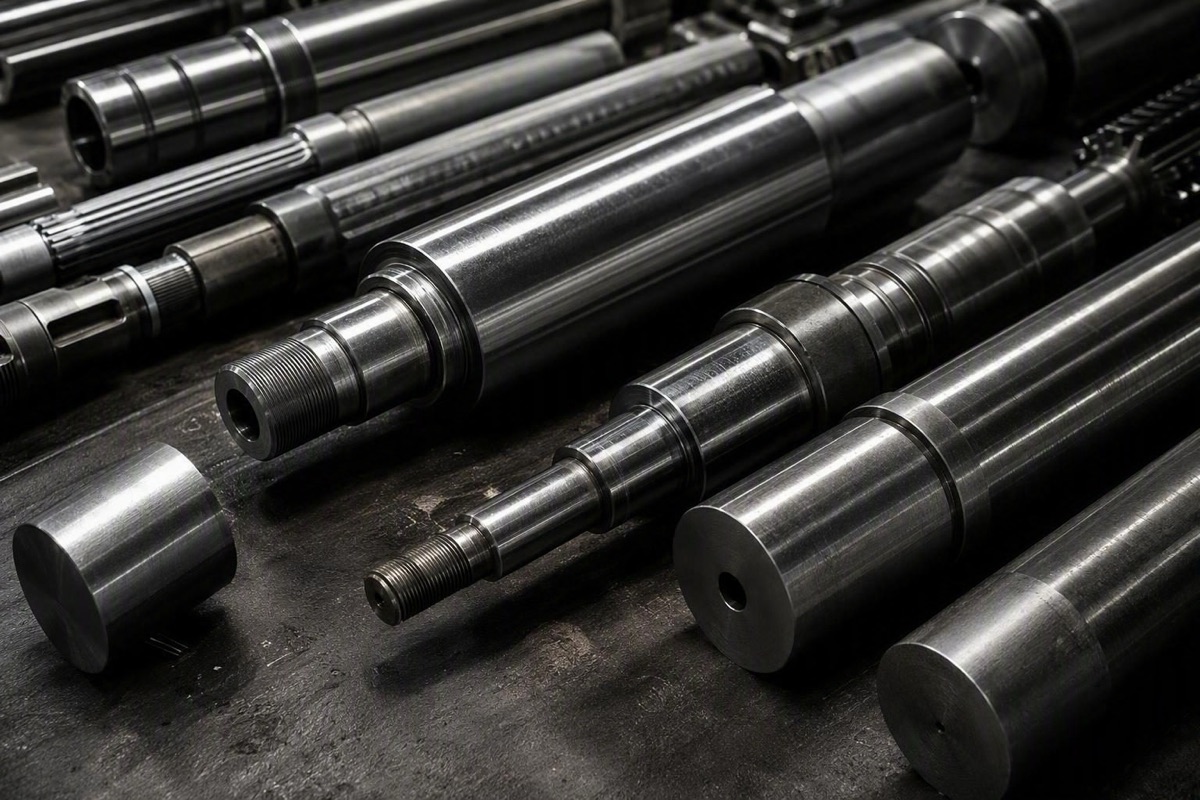
C45 vs 42CrMo4 Steel: Carbon or Alloy — Which to Choose?
We compare C45 (1045) carbon steel with 42CrMo4 (4140) chrome-moly quenched & tempered steel by hardenability, strength, welding and cost — which to choose and when?