Non-Ferrous Casting Materials
Crucibles and tablet alloys for aluminum and non-ferrous metal casting industry
Product Types
Select for technical details
Casting Crucibles
SiC and graphite crucibles used for melting aluminum, copper, zinc and precious metals.
Technical Specifications
| Property | Specification | Unit |
|---|---|---|
| Material | SiC / Grafit | - |
| Capacity | 1 - 1000 | kg |
| Max Temperature | 1400 - 1600 | °C |
| Density | 1.7 - 2.2 | g/cm³ |
| Thermal Conductivity | 15 - 45 | W/mK |
Key Features
- SiC crucibles: high thermal conductivity and shock resistance
- Graphite crucibles: excellent chemical resistance
- Capacity range from 1 kg to 1000 kg
- Long service life
- Low metal loss
- Fast heating and melting time
Applications
- Aluminum casting
- Copper and copper alloy melting
- Zinc melting
- Precious metal melting (gold, silver)
- Laboratory melting operations
- Die casting facilities
Technical Notes
- Gradual heating (tempering) required for first use.
- Avoid sudden temperature changes.
- Metal level should not exceed 80% of crucible capacity.
- Crucible surface should be regularly cleaned of slag.
- Service life depends on melting temperature and metal type.
Related Sectors
Useful Calculation Tools
Detailed Technical Information and Quotation
Contact our expert team for detailed technical documents, application recommendations, and custom size quotations regarding this product type.
Get Technical SupportWhat are non-ferrous casting materials?
Non-ferrous casting materials are the melting and alloying consumables of aluminium, copper and zinc foundries. We supply two main groups: crucibles (silicon carbide SiC and clay-graphite, 1–1000 kg capacity) and aluminium master alloy tablets (AlTi5B1 grain refiner, AlSr10 modifier, AlMn20 alloying tablet).
Crucible selection and what master alloys do
Crucible choice follows the furnace type: clay-graphite crucibles stand out for thermal shock resistance in gas/fuel-fired furnaces; SiC crucibles offer higher thermal conductivity and longer life, serving a wide range including induction furnaces. The right crucible directly affects melting time and energy consumption. Master alloys control the structure of liquid aluminium: AlTi5B1 refines grain via dissolving TiB2/Al3Ti particles — a fine equiaxed grain structure reduces hot tearing and improves feeding and mechanical properties. AlSr10 modifies the eutectic silicon in Al-Si alloys from acicular to fine fibrous form, markedly raising ductility, and stays effective far longer than sodium. Alloying tablets such as AlMn20 dissolve quickly at low temperature, giving a practical route to the target chemistry. All products ship with analysis certificates.
Frequently Asked Questions
SiC vs clay-graphite crucible — what is the difference?+
SiC offers higher thermal conductivity and longer service life; clay-graphite is economical and thermal-shock resistant. Furnace type, alloy melted and melting tempo decide the choice.
What does the AlTi5B1 grain refiner do?+
It seeds liquid aluminium with TiB2/Al3Ti nuclei, producing a fine equiaxed grain structure on solidification: less hot tearing, better feeding and higher mechanical properties.
Why is the AlSr10 modifier used?+
It converts the eutectic silicon in Al-Si casting alloys from acicular to fine fibrous form, clearly improving ductility and impact strength. Strontium lasts far longer than sodium modification.
How are master alloy tablets dosed?+
Tablets are produced at a known net weight; the count per furnace is calculated from the target chemistry, they dissolve quickly at low temperature, and the result is verified by analysis.
Related Blog Posts
Technical articles, guides and industry analyses
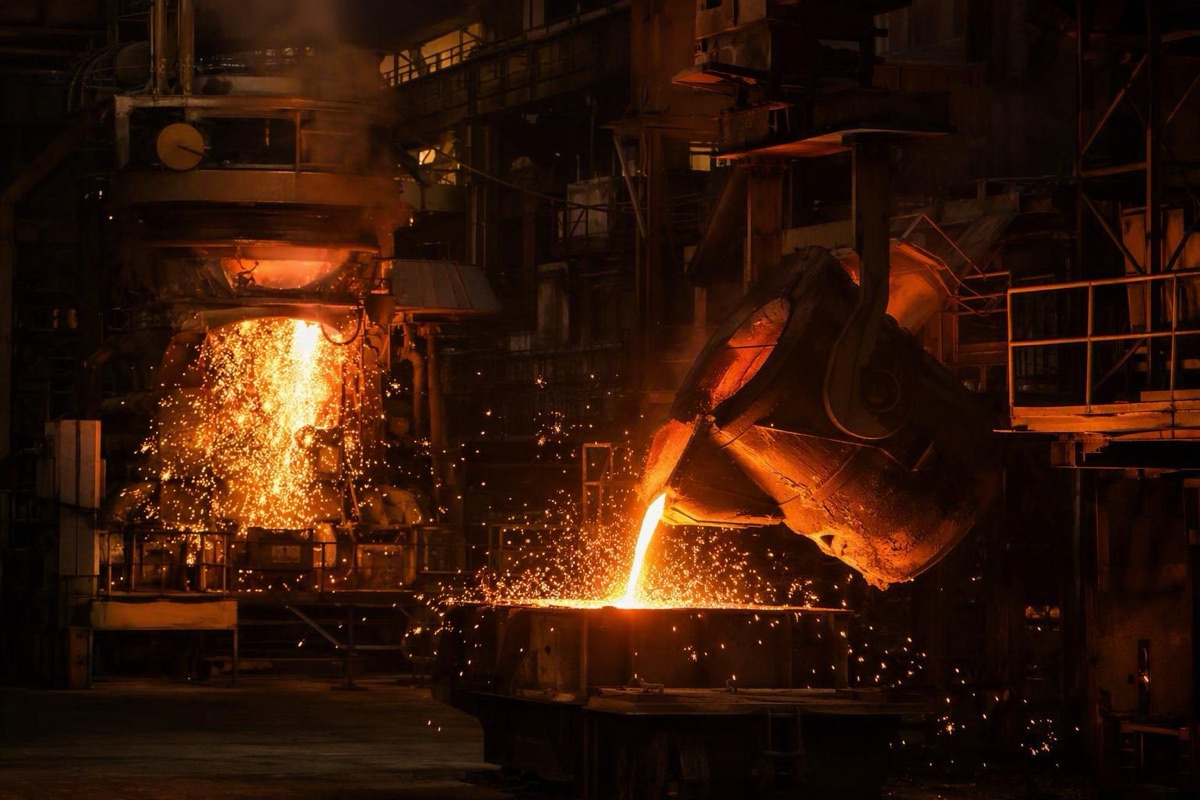
EAF vs BOF: Electric Arc Furnace vs Basic Oxygen Furnace
We compare the electric arc furnace (EAF) and the basic oxygen furnace (BOF) by energy source, charge material, scale, carbon footprint and typical products.
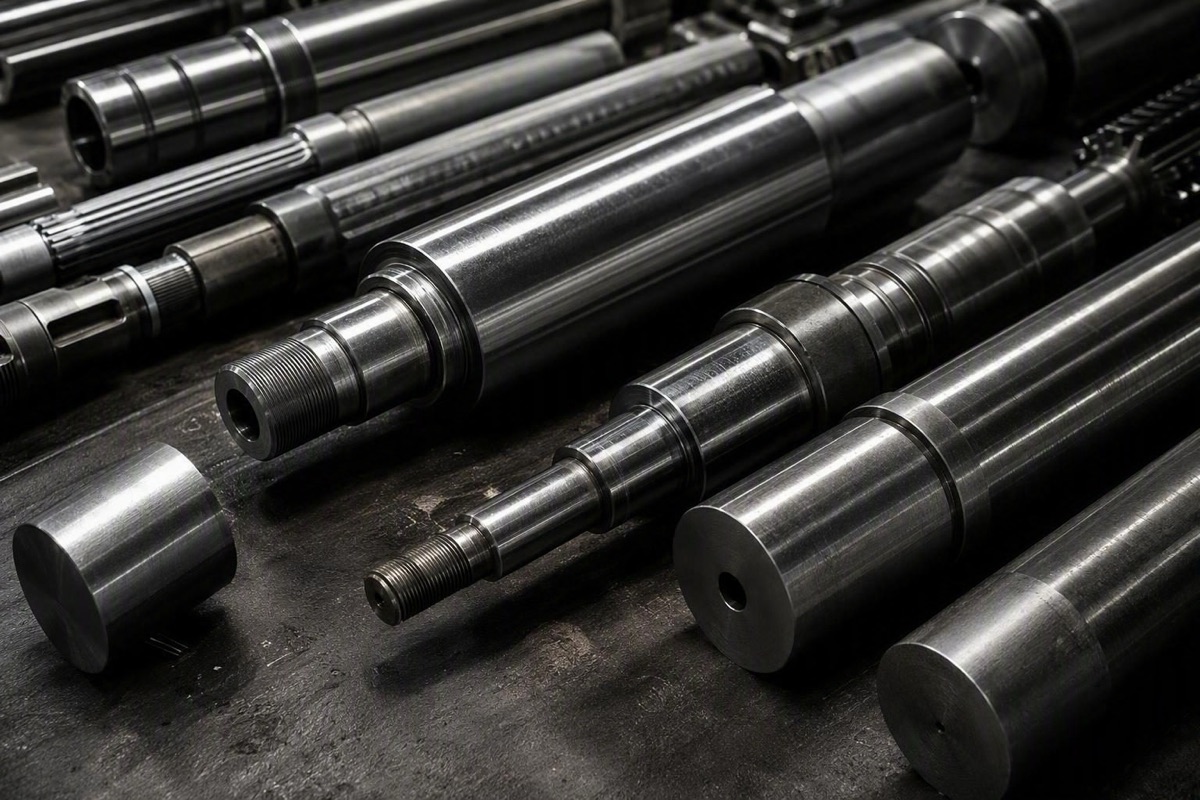
C45 vs 42CrMo4 Steel: Carbon or Alloy — Which to Choose?
We compare C45 (1045) carbon steel with 42CrMo4 (4140) chrome-moly quenched & tempered steel by hardenability, strength, welding and cost — which to choose and when?