
Silica Sand / IND
Industrial Silica Sand
Multi-purpose industrial silica sand used in glass, ceramics, chemical and construction industries.
Technical Specifications
Key Features
- High chemical purity
- Controlled particle distribution
- Low iron oxide content
- White-cream color
- Good flowability
- Wide industrial application range
Applications
- Glass production (flat glass, container glass)
- Ceramics and porcelain
- Water filtration systems
- Sandblasting
- Paint and filler material
- Sports fields (artificial turf infill)
Dimension Table
| AFS Grain Number | Mesh Size | SiO₂ (%) | Application |
|---|---|---|---|
| 40-45 | 30-50 mesh | ≥98.5 | Glass production |
| 50-55 | 40-70 mesh | ≥98 | Ceramics, filtration |
| 60-70 | 50-100 mesh | ≥98 | Sandblasting, filler |
| 80+ | 70-140 mesh | ≥98 | Fine applications |
Technical Notes
- 01Fe₂O₃ content should be below 0.02% for glass industry.
- 02Round-grained sand preferred for filtration applications.
- 03Free silica ratio must be monitored when used as blasting sand.
- 04Grain fineness number (GFN) must comply with specification.
- 05Moisture control is important during transport and storage.
Other Types
What is foundry silica sand (moulding sand)?
Foundry silica sand is a high-purity refractory sand (SiO₂ ≥ 95–99%) used in foundries to make moulds and cores. Its high melting point (~1710°C), thermal stability and controlled grain size (measured by AFS grain fineness number) let it withstand molten metal. Mixed with a binder (bentonite, resin, sodium silicate) it forms green sand, chemically bonded sand or CO₂ moulds.
Grain size (AFS), composition and casting quality
Three factors drive moulding-sand performance: SiO₂ purity (surface finish and refractoriness), grain size/distribution (AFS GFN — the balance between permeability and surface roughness) and grain shape. Fine sand gives a smoother surface but lower permeability; coarse sand the opposite. Clay and moisture content affect mould strength and gas defects. The right sand–binder recipe directly determines the dimensional accuracy and surface quality of the casting.
Frequently Asked Questions
What is the difference between foundry sand and construction silica sand?+
Foundry sand needs higher SiO₂ purity, controlled grain size (AFS) and refractoriness; unlike construction/glass sand it is selected to withstand molten metal.
What is the AFS grain fineness number (GFN)?+
An index of the average grain size of the sand; a higher AFS = finer sand = smoother surface but lower permeability.
Which binders are used in moulding sand?+
Bentonite + water for green sand; furan/phenolic resin for chemically bonded sand; sodium silicate (water glass) for the CO₂ process.
What SiO₂ content should silica sand have?+
Typically 95–99% SiO₂ for casting; higher purity gives better refractoriness and surface quality.
Related Blog Posts
Technical articles, guides and industry analyses
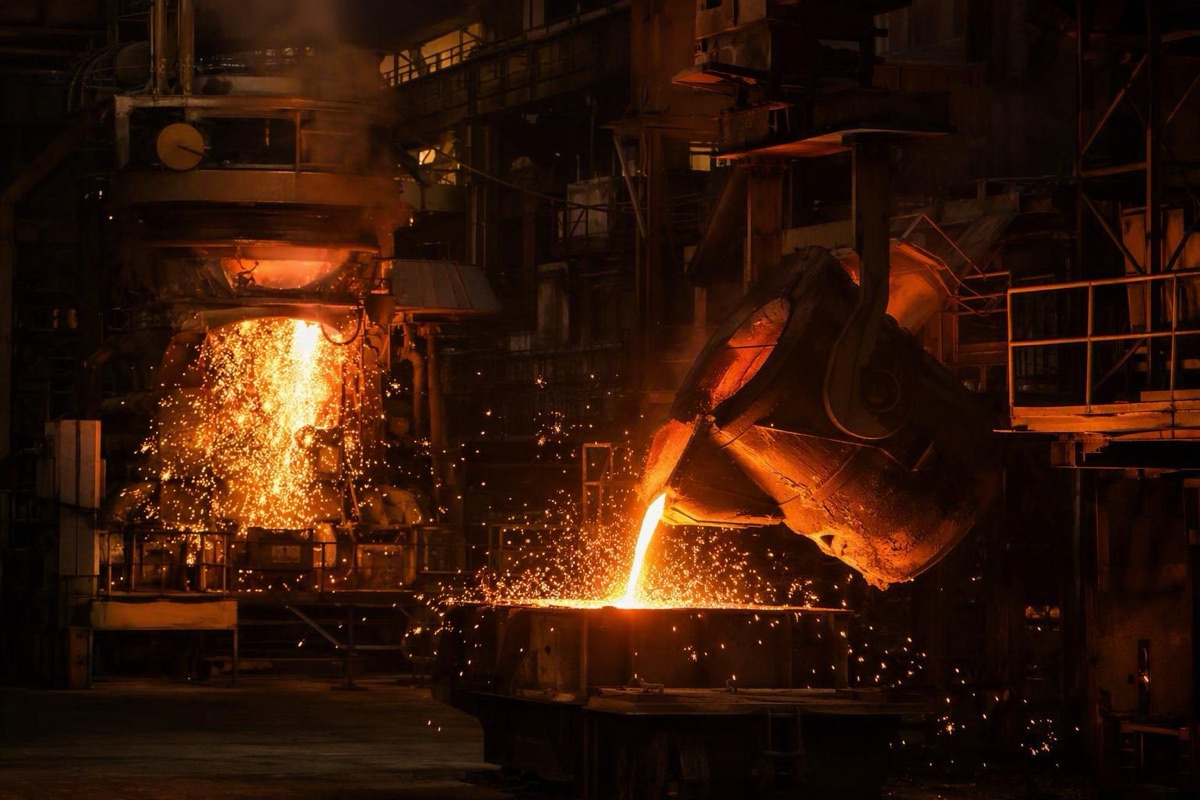
EAF vs BOF: Electric Arc Furnace vs Basic Oxygen Furnace
We compare the electric arc furnace (EAF) and the basic oxygen furnace (BOF) by energy source, charge material, scale, carbon footprint and typical products.
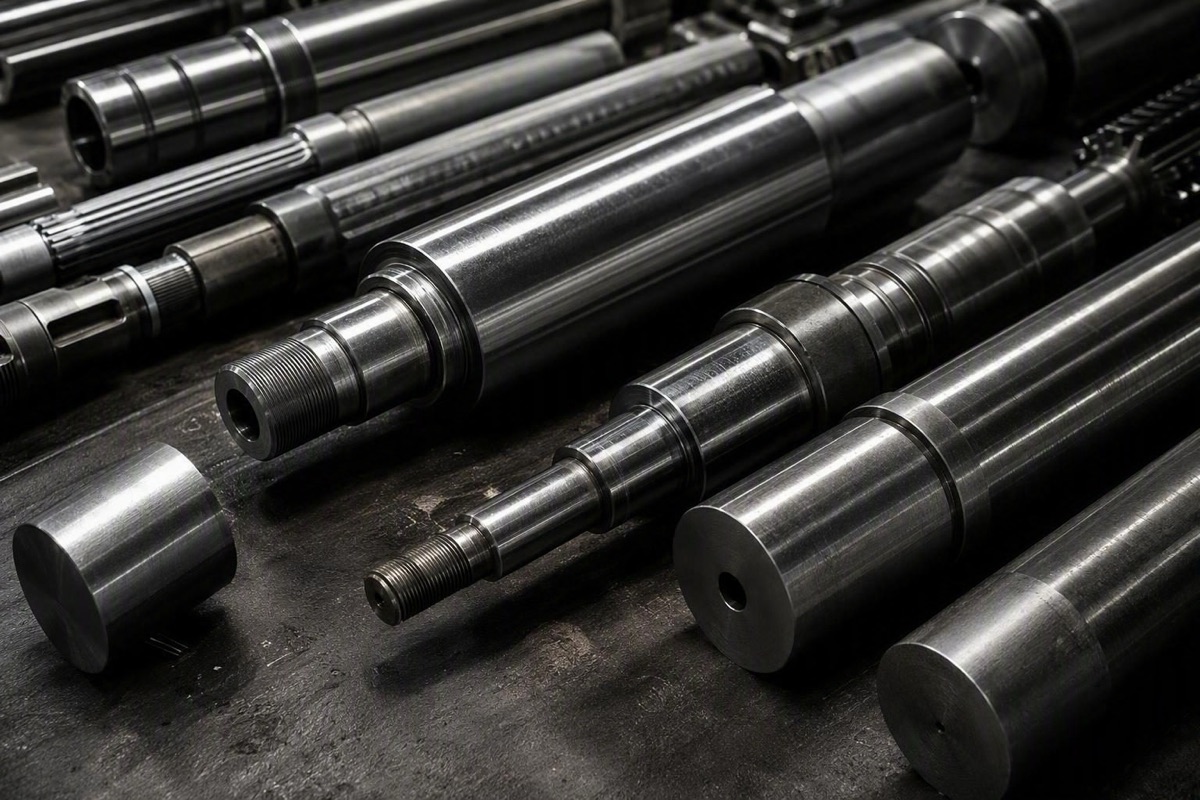
C45 vs 42CrMo4 Steel: Carbon or Alloy — Which to Choose?
We compare C45 (1045) carbon steel with 42CrMo4 (4140) chrome-moly quenched & tempered steel by hardenability, strength, welding and cost — which to choose and when?