
Ferro Alloys / FeSiMg
Ferro Silicon Magnesium
Primary alloy used as nodularizer in ductile iron production.
Technical Specifications
Key Features
- Controlled magnesium content (5-7% Mg)
- Rare earth element addition
- High nodularization efficiency
- Low MgO slag formation
- Stable reaction characteristics
Applications
- Ductile iron (spheroidal graphite iron) production
- Compacted graphite iron
- Automotive parts manufacturing
- Pipe and valve manufacturing
- Wind turbine components
Dimension Table
| Element | Min. | Max. | Typical |
|---|---|---|---|
| Mg | 5.0 | 7.0 | 6.0 |
| Si | 44 | 48 | 46 |
| RE | 0.5 | 1.0 | 0.8 |
| Ca | 0.5 | 2.0 | 1.0 |
| Al | 0 | 1.0 | 0.5 |
| Fe | - | - | Balance |
Technical Notes
- 01Grain size selection should be based on ladle method.
- 02Minimize exposure to air.
- 03Treatment temperature should be between 1450-1520°C.
- 04Magnesium recovery rate is between 40-60%.
What are ferroalloys?
Ferroalloys are master alloys of iron with a high share of an alloying element (Si, Mn, Cr, Mo, V...): e.g. FeSi75 (72–80% Si), high-carbon FeMn (75–80% Mn), FeCr. They are added to the melt in steelworks and foundries for deoxidation, alloying and inoculation. Using a ferroalloy instead of the pure element is cheaper and dissolves more readily in the melt.
Main ferroalloys and their roles
FeSi (ferrosilicon): the workhorse deoxidizer and Si source in steel; the 75% grade is standard and is also the base of foundry inoculants. FeMn (ferromanganese): deoxidation, sulphur fixing as MnS and Mn alloying; available in high/medium/low-carbon grades. FeCr (ferrochrome): the Cr source for stainless and alloy steels. FeSiMg (ferrosilicon magnesium): nodularizes graphite in ductile iron. Sizing (lump/granule) and addition point (furnace/ladle/cored wire) determine recovery; chemistry is verified by certificate.
Frequently Asked Questions
What is ferrosilicon used for?+
Deoxidation and silicon alloying in steel, and as the base of foundry inoculants. The standard grade is FeSi75 (72–80% Si).
What is ferromanganese used for?+
Deoxidation, fixing sulphur as MnS and manganese alloying. It comes in high-, medium- and low-carbon grades.
Why add a ferroalloy instead of the pure element?+
Lower cost, lower melting point and faster, more efficient dissolution in the melt.
What is FeSiMg (ferrosilicon magnesium)?+
A magnesium-carrying ferroalloy that converts graphite to spheroidal form (nodularizing) in ductile-iron production.
Related Blog Posts
Technical articles, guides and industry analyses
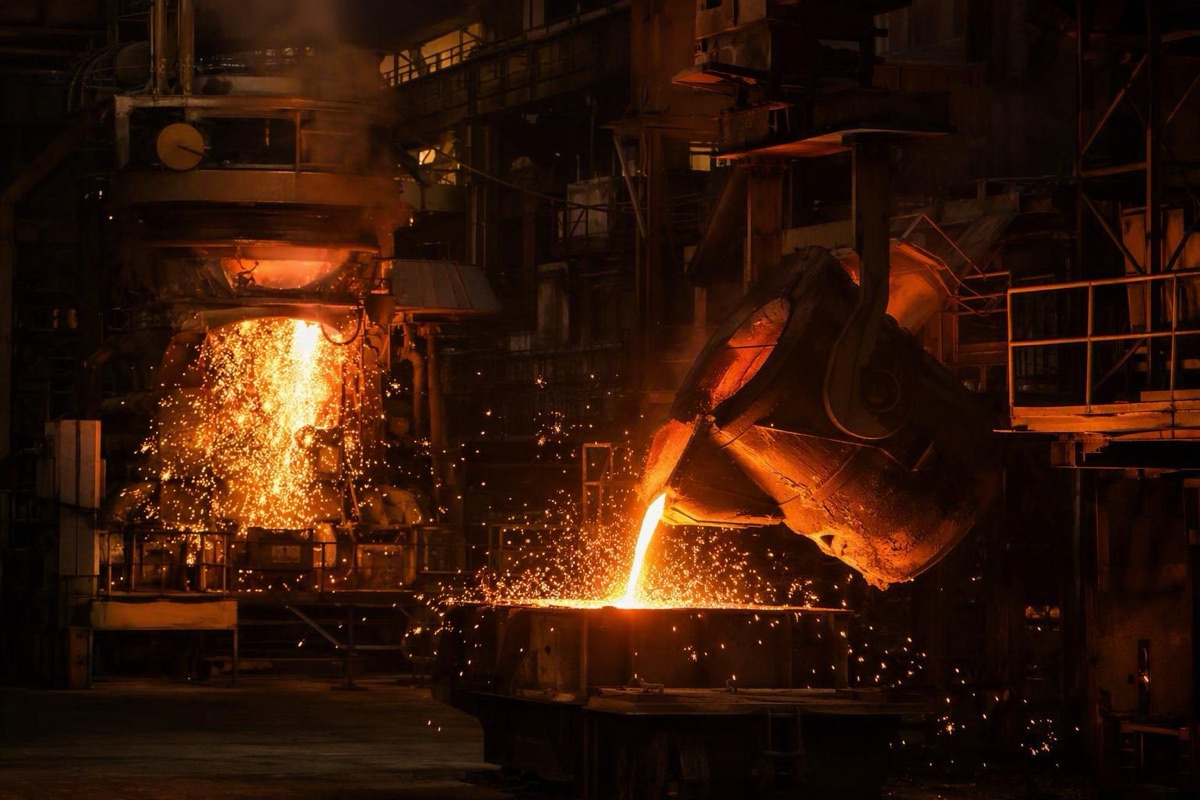
EAF vs BOF: Electric Arc Furnace vs Basic Oxygen Furnace
We compare the electric arc furnace (EAF) and the basic oxygen furnace (BOF) by energy source, charge material, scale, carbon footprint and typical products.
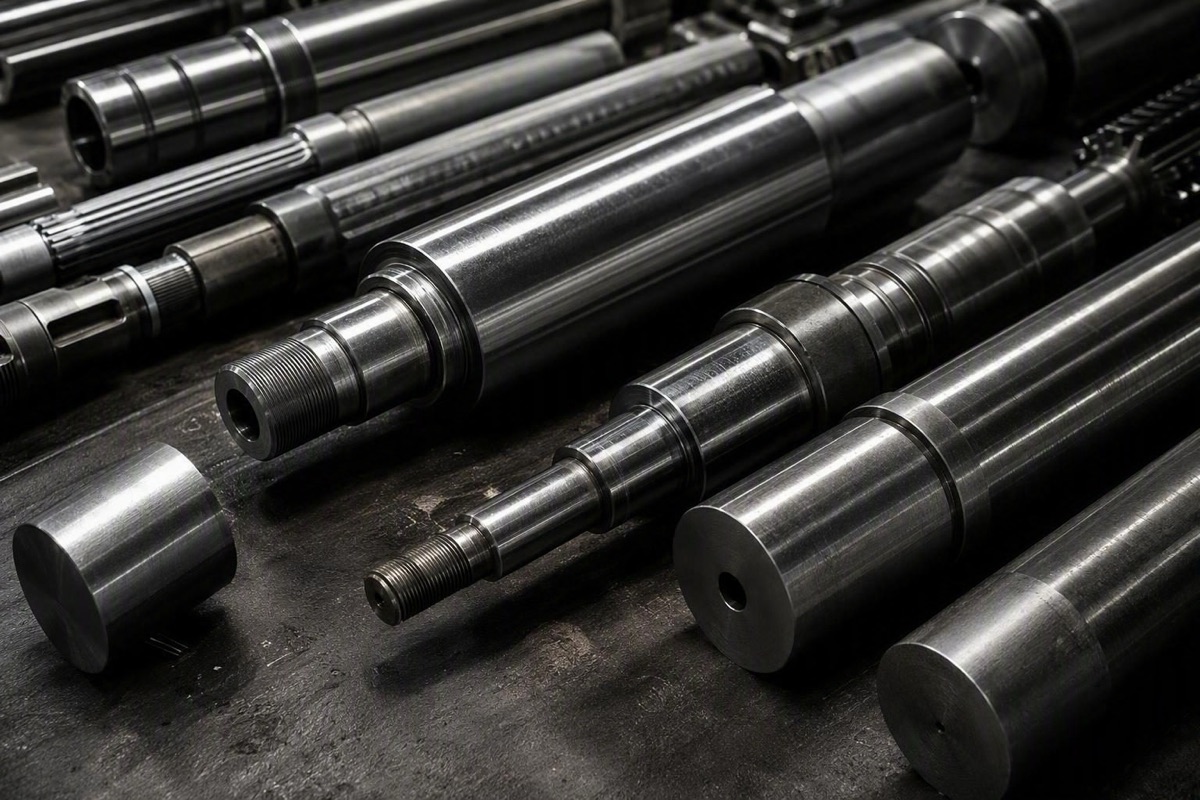
C45 vs 42CrMo4 Steel: Carbon or Alloy — Which to Choose?
We compare C45 (1045) carbon steel with 42CrMo4 (4140) chrome-moly quenched & tempered steel by hardenability, strength, welding and cost — which to choose and when?