Branch Connections / CPLT
Coupolet
Economical outlet using a threaded coupling body for small branches.
Technical Specifications
Key Features
- Threaded coupling body
- Economical solution
- Fast assembly
- Compact design
- Standard thread forms
- Easy maintenance
Applications
- Small service lines
- Instrumentation
- Plumbing
- Temporary connections
- Low-pressure services
- Maintenance taps
Design Features
- Short body
- Threaded end (NPT/BSPT)
- Tight tolerances
- Quick from stock
- Lightweight
- Certified
Connection Performance
Dimension Table
| Branch Size | Run Size | Thread Type | Body Length (mm) | Wall Thickness (mm) | Weight (kg) |
|---|---|---|---|---|---|
| 1/8" | 3/4" | NPT | 28 | 2.6 | 0.03 |
| 1/4" | 1" | NPT | 32 | 3.0 | 0.05 |
| 3/8" | 1-1/4" | NPT | 35 | 3.4 | 0.07 |
| 1/2" | 1-1/2" | NPT | 38 | 3.7 | 0.10 |
| 3/4" | 2" | NPT | 44 | 4.0 | 0.16 |
| 1" | 2-1/2" | NPT | 51 | 4.3 | 0.22 |
Technical Notes
- 01Ensure proper thread sealing.
- 02Suitable for low/medium pressure.
- 03Use locking compound if vibrating.
- 04Verify material compatibility.
What are branch connection (olet) fittings?
Olet-type branch connection fittings are forged components that create a reinforced branch outlet from a run pipe without using a tee. Made to MSS SP-97, the most common types are the weldolet (butt-weld), sockolet (socket-weld) and threadolet (threaded). They are used from 1/2" to 24" under the ASME B31.1/B31.3 piping codes.
Olet types: weldolet, sockolet, threadolet, latrolet, elbolet
An olet body is integrally reinforced: its own wall section compensates the opening cut into the run pipe, so no reinforcing pad is needed. The type follows the branch pipe connection: the weldolet takes butt-welded larger branches; the sockolet (socket-weld) and threadolet (threaded) serve small branches, typically below 2". The latrolet makes a 45° lateral branch and the elbolet takes a branch off an elbow. For branches much smaller than the run — say a 1" outlet on an 8" line — an olet is faster and more economical than a reducing tee: the run stays uncut and one weld gives a reinforced outlet. Materials: forged carbon steel A105N, A350 LF2 for low temperature, A182 F304/F316 for stainless. Delivered with 3.1 certificates.
Frequently Asked Questions
Weldolet vs sockolet vs threadolet — what is the difference?+
The branch pipe connection: a weldolet is butt-welded (larger branches); a sockolet is socket-welded and a threadolet threaded (both typically for branches below 2").
When is an olet preferred over a reducing tee?+
When the branch is much smaller than the run (e.g. a 1" outlet on an 8" line): the run pipe stays uncut and a single weld gives a reinforced outlet, whereas a tee needs two run welds.
What are elbolets and latrolets for?+
A latrolet takes a 45° lateral branch off the run; an elbolet sits on the back of an elbow, usually for drain, vent or instrument connections.
Which standards cover olet fittings?+
Dimensions per MSS SP-97; branch end details per ASME B16.11 (socket/threaded) or B16.25 (weld bevel); system design follows the ASME B31.1/B31.3 piping codes.
Related Blog Posts
Technical articles, guides and industry analyses
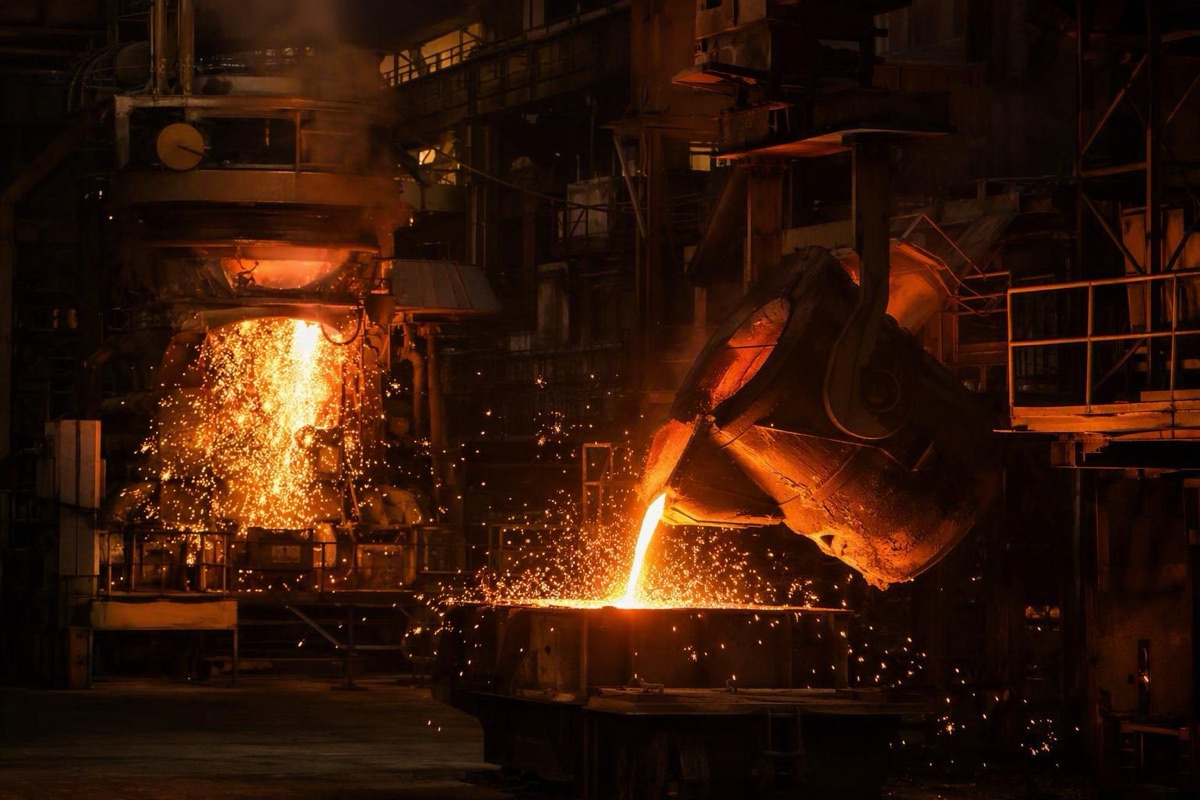
EAF vs BOF: Electric Arc Furnace vs Basic Oxygen Furnace
We compare the electric arc furnace (EAF) and the basic oxygen furnace (BOF) by energy source, charge material, scale, carbon footprint and typical products.
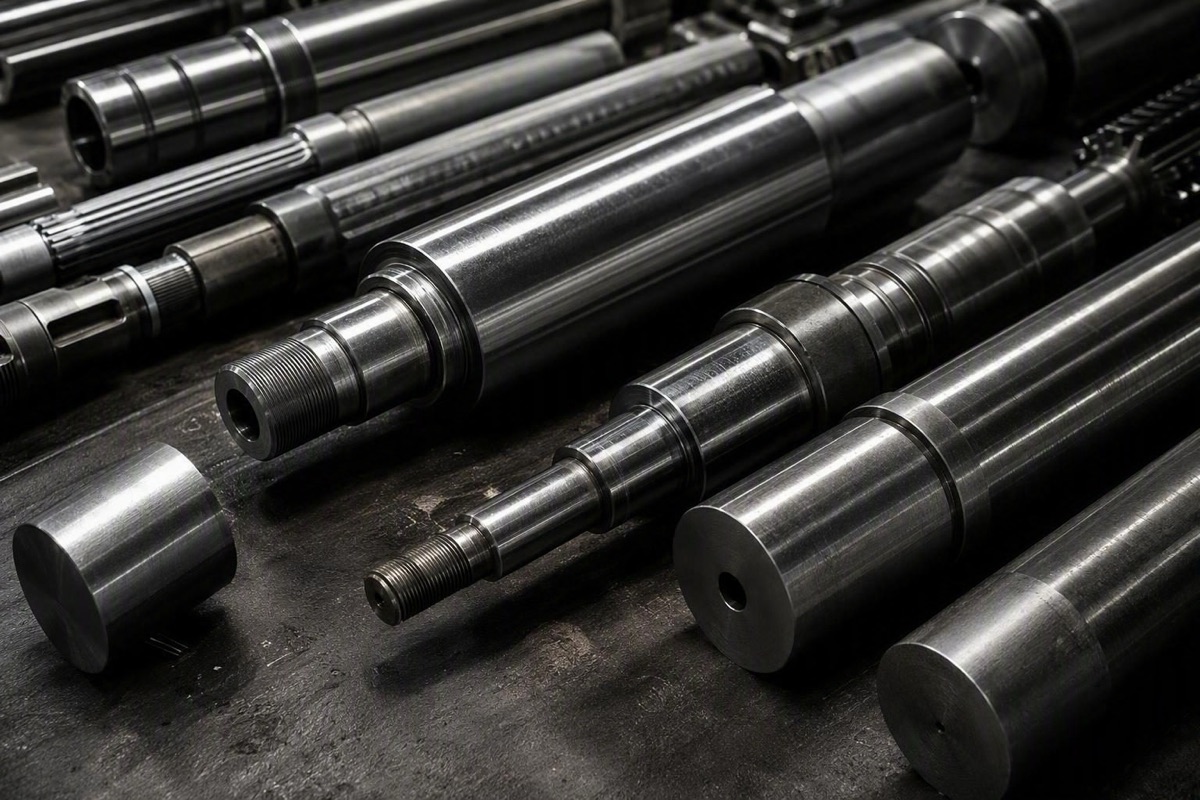
C45 vs 42CrMo4 Steel: Carbon or Alloy — Which to Choose?
We compare C45 (1045) carbon steel with 42CrMo4 (4140) chrome-moly quenched & tempered steel by hardenability, strength, welding and cost — which to choose and when?