
Hot Rolled / HEX
Hexagon Steel Bar
Hot rolled hexagon steel bars per EN 10061 standard, 15.5-100mm across flats range.
Technical Specifications
Key Features
- Precision across-flats dimensions
- Available in free-cutting and Q&T steels
- Suitable for direct machining
- High surface quality
- CNC-ready dimensions
- Wide variety of grade options
Applications
- Bolt and nut manufacturing
- Wrench and hand tools
- Fastener production
- Automotive spare parts
- Machine component manufacturing
- Flange and valve bodies
Dimension Table
| Form | Size Range | Standard | Steel Grades |
|---|---|---|---|
| Hexagon | 15.5 - 24 mm | EN 10061 | C45, 42CrMo4, 20MnCrS5, SAE1018 |
| Hexagon | 24 - 41 mm | EN 10061 | 42CrMo4, C45, 34CrMo4, S355J2 |
| Hexagon | 41 - 60 mm | EN 10061 | 42CrMo4, 34CrNiMo6, C45, 41Cr4 |
| Hexagon | 60 - 80 mm | EN 10061 | 42CrMo4, C45, 34CrMo4, 51CrV4 |
| Hexagon | 80 - 100 mm | EN 10061 | 42CrMo4, 34CrNiMo6, C45, S355J2 |
Technical Notes
- 01Across-flats (AF) dimension controlled per EN 10061 tolerances.
- 02Corner rounding radius per standard requirements.
- 03Guaranteed parallelism between flats.
- 04Free-cutting steels (MnCrS5 series) optimized for machining.
What is a hot rolled steel bar?
A hot rolled bar is produced by shaping steel between rolls above its recrystallization temperature (~1100–1250°C), in round, square, hexagonal or flat sections. It is the most economical bar form; the surface carries a thin mill scale and tolerances are wide (EN 10060). It is the primary starting stock for machining, forging and cold drawing.
Production, tolerances and applications
A billet (~150×150 mm) is reheated and passed through successive rolling stands to reduce the section; hot deformation refines the grain and breaks up the cast structure. The mill scale and wide diameter tolerance mean precision applications need further processing (cold drawing, peeling, grinding → bright steel). Common grades: S235JR–S355J2 structurals, C45, 42CrMo4, 16MnCr5. Construction, machine building and forging stock are the biggest uses.
Frequently Asked Questions
What is the difference between hot rolled and cold drawn?+
Hot rolling is done at high temperature: economical but with scale and wide tolerances. Cold drawing is done at room temperature: tight tolerance (h9/h11), bright surface and higher yield strength from strain hardening.
What are hot rolled bar tolerances?+
Per EN 10060, roughly ±0.4 to ±2.0 mm depending on diameter; for precision work choose bright steel.
Which sections are produced?+
Round, square and hexagonal bars plus flats; round bar is the most common commercial form.
Where are hot rolled bars used?+
Machine parts, bolt/fastener blanks, forging stock, construction and general fabrication.
Related Blog Posts
Technical articles, guides and industry analyses
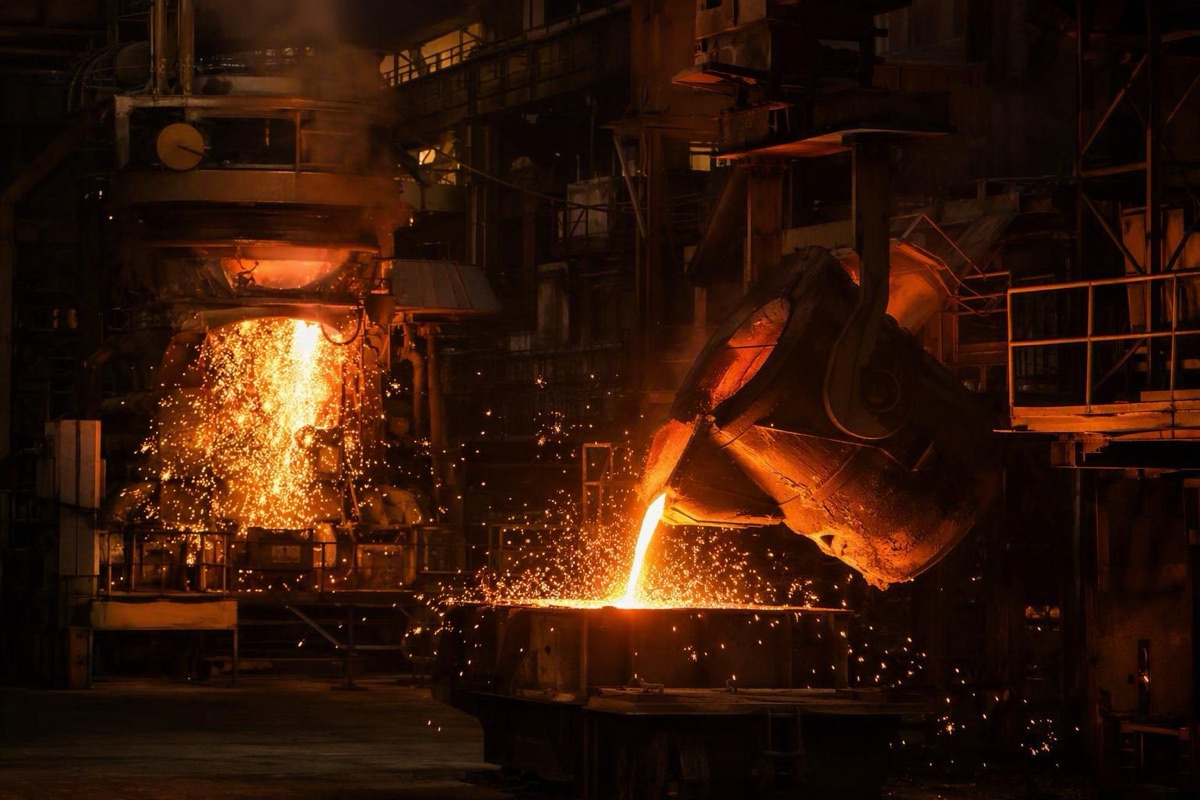
EAF vs BOF: Electric Arc Furnace vs Basic Oxygen Furnace
We compare the electric arc furnace (EAF) and the basic oxygen furnace (BOF) by energy source, charge material, scale, carbon footprint and typical products.
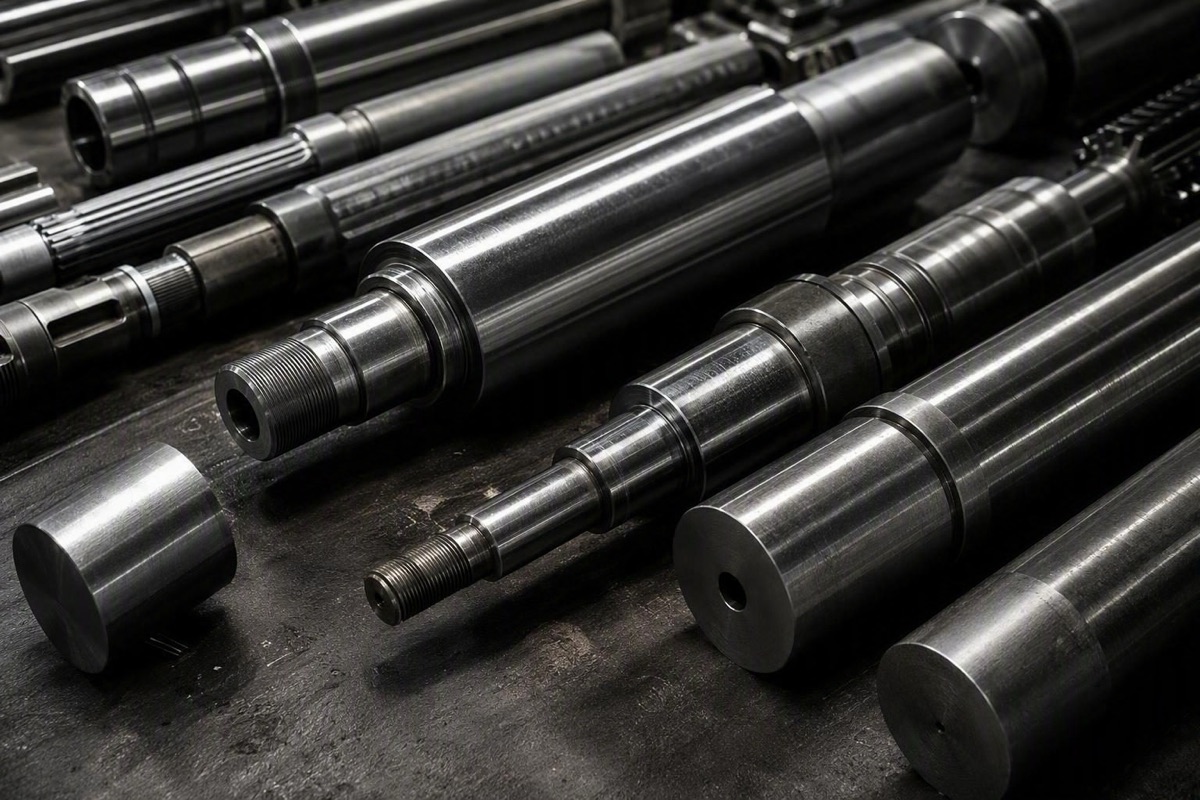
C45 vs 42CrMo4 Steel: Carbon or Alloy — Which to Choose?
We compare C45 (1045) carbon steel with 42CrMo4 (4140) chrome-moly quenched & tempered steel by hardenability, strength, welding and cost — which to choose and when?