
Reducers / RED-E
Eccentric Reducer
Asymmetrical reducer maintaining a flat bottom line for horizontal piping.
Technical Specifications
Key Features
- Flat bottom line
- Air venting
- Solid passage
- Pump suction suitability
- Sediment prevention
- Horizontal optimization
Applications
- Pump suction lines
- Solid handling systems
- Wastewater lines
- Horizontal pipelines
- Slurry lines
- Industrial processes
Dimension Table
| Size | Large Outside Dia. (mm) | Small Outside Dia. (mm) | Thickness (mm) | Length (mm) | Offset (mm) |
|---|---|---|---|---|---|
| 2" x 1" | 60.3 | 33.4 | 3.91 | 76 | 13.5 |
| 4" x 2" | 114.3 | 60.3 | 6.02 | 102 | 27.0 |
| 6" x 4" | 168.3 | 114.3 | 7.11 | 127 | 27.0 |
| 8" x 6" | 219.1 | 168.3 | 8.18 | 152 | 25.5 |
| 12" x 8" | 323.9 | 219.1 | 10.31 | 203 | 52.5 |
| 16" x 12" | 406.4 | 323.9 | 12.70 | 254 | 41.5 |
Technical Notes
- 01Prevents air lock in suction lines.
- 02Prevents sediment accumulation.
- 03Ideal for horizontal lines.
- 04Offset value is critical.
What is a pipe reducer?
A reducer is a butt-weld fitting that joins two pipes of different diameters. There are two types: the concentric reducer (aligned centerlines, symmetric cone) and the eccentric reducer (one flat side, offset centerlines). Dimensions follow ASME B16.9; reducers are produced in carbon, alloy and stainless steel from 1/2" to 48".
Concentric or eccentric?
A concentric reducer keeps the pipe centerline and is standard on vertical runs. The flat side of an eccentric reducer keeps either the bottom (BOP) or top of the pipe level on horizontal runs: at pump suction the flat side goes UP so no air pocket can form; on drained lines and pipe racks the flat side goes DOWN so the pipe bottom stays continuous. The ordering notation is "large end × small end" (e.g. 8"×6"); end-to-end lengths are defined in B16.9. Materials: ASTM A234 WPB (carbon), WP11/WP22 (alloy), A403 (stainless), A420 (low temperature); EN 10253 in Europe. Delivered with 3.1 material certificates.
Frequently Asked Questions
What is the difference between concentric and eccentric reducers?+
A concentric reducer has aligned centerlines (symmetric cone); an eccentric reducer has one flat side and offset centerlines, used to keep the bottom or top of a horizontal line level.
Why use an eccentric reducer at pump suction?+
Installed flat side up, it prevents an air pocket forming at the top of the pipe — air pockets at suction can cause pump cavitation.
How do you order a reducer?+
Specify the "large end × small end" combination (e.g. 8"×6"), type (concentric/eccentric), wall thickness (SCH 40, SCH 80...) and material grade.
Which standards cover reducers?+
Dimensions and tolerances per ASME B16.9 (European equivalent EN 10253); materials per ASTM A234 (carbon/alloy), A403 (stainless) and A420 (low temperature).
Related Blog Posts
Technical articles, guides and industry analyses
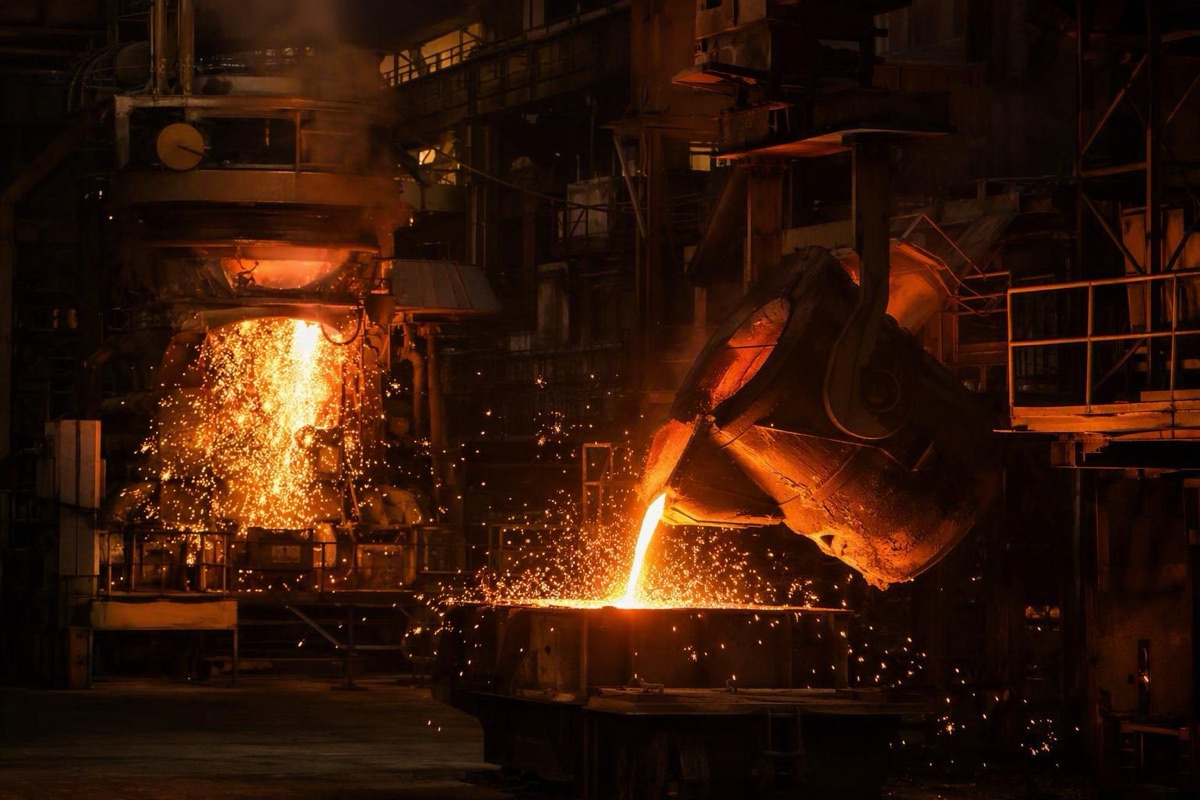
EAF vs BOF: Electric Arc Furnace vs Basic Oxygen Furnace
We compare the electric arc furnace (EAF) and the basic oxygen furnace (BOF) by energy source, charge material, scale, carbon footprint and typical products.
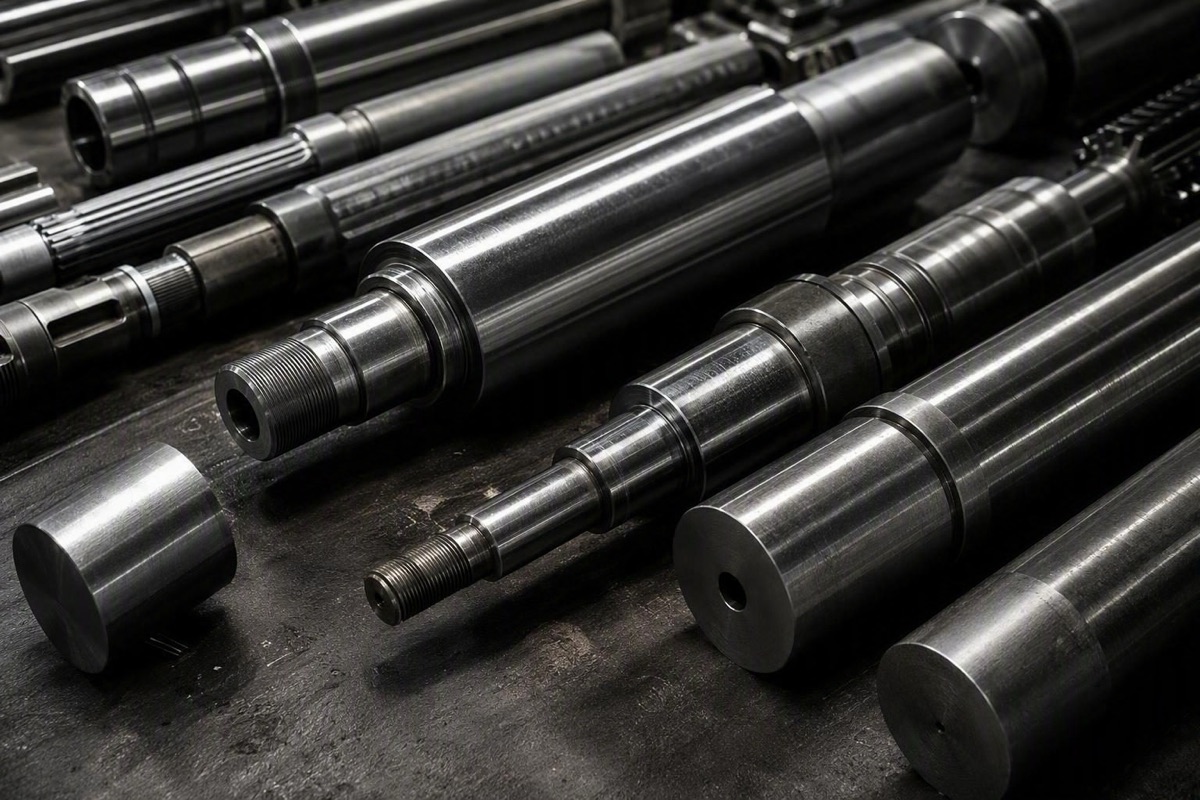
C45 vs 42CrMo4 Steel: Carbon or Alloy — Which to Choose?
We compare C45 (1045) carbon steel with 42CrMo4 (4140) chrome-moly quenched & tempered steel by hardenability, strength, welding and cost — which to choose and when?