
Tee Fittings / TEE-R
Reducing Tee
Used in applications where branch or main pipe diameters differ and size reduction is required.
Technical Specifications
Key Features
- Various diameter options
- Smooth transition design
- Flow optimization
- Compact structure
- High strength
- Flexible solution
Applications
- Pipe diameter reduction
- Instrumentation connections
- Small branch lines
- Measurement device ports
- Valve bypasses
- Control lines
Dimension Table
| Size | Large Outside Dia. (mm) | Small Outside Dia. (mm) | Thickness (mm) | Center to End (mm) | Run |
|---|---|---|---|---|---|
| 1" x 1" x 1/2" | 33.4 | 21.3 | 3.38 | 38 | 38 |
| 2" x 2" x 1" | 60.3 | 33.4 | 3.91 | 51 | 51 |
| 4" x 4" x 2" | 114.3 | 60.3 | 6.02 | 64 | 64 |
| 6" x 6" x 4" | 168.3 | 114.3 | 7.11 | 83 | 83 |
| 8" x 8" x 6" | 219.1 | 168.3 | 8.18 | 102 | 102 |
| 12" x 12" x 8" | 323.9 | 219.1 | 10.31 | 152 | 152 |
| 16" x 16" x 12" | 406.4 | 323.9 | 12.70 | 203 | 203 |
Technical Notes
- 01Maximum recommended reduction ratio is 2:1
- 02Eccentric tees preferred for pump suction lines
- 03Ensure correct flow direction
- 04Pressure drop should be calculated
Other Types
What is a pipe tee?
A pipe tee is a T-shaped butt-weld fitting used to take a 90° branch off a pipeline. There are two main types: the equal tee (all three outlets the same size) and the reducing tee (smaller branch outlet). Dimensions and tolerances follow ASME B16.9; tees are produced in carbon, alloy and stainless steel from 1/2" to 48".
Choosing between equal, reducing and barred tees
Use an equal tee when the branch matches the run diameter and a reducing tee when it is smaller; the ordering notation is "run × run × branch" (e.g. 8"×8"×6"). On piggable pipelines, a barred tee — with bars welded across the branch opening — keeps the pig from deflecting into the branch. Tees are made from seamless pipe by hot forming or hydraulic bulging, with the wall thickness (schedule) matched to the connecting pipe. Material specs: ASTM A234 WPB for carbon steel, WP11/WP22 for alloy, A403 for stainless, A420 for low-temperature service; EN 10253 on the European side. Products ship with 3.1 material certificates.
Frequently Asked Questions
What is the difference between an equal and a reducing tee?+
An equal tee has all three outlets the same size; a reducing tee has a smaller branch and is ordered as "run × run × branch" (e.g. 6"×6"×4").
What is a barred tee used for?+
Bars welded across the branch opening prevent the pipeline pig from deflecting into the branch. It is standard at every piggable branch on oil and gas transmission lines.
Which standards cover pipe tees?+
Dimensions and tolerances per ASME B16.9 (European equivalent EN 10253); materials per ASTM A234 WPB for carbon steel, A403 for stainless and A420 for low-temperature service.
What information is needed to order a tee?+
Size combination (equal, or run×run×branch), wall thickness (SCH 40, SCH 80, XS...), material grade and quantity; specify barred tee and NACE/3.1 certificate requirements where applicable.
Related Blog Posts
Technical articles, guides and industry analyses
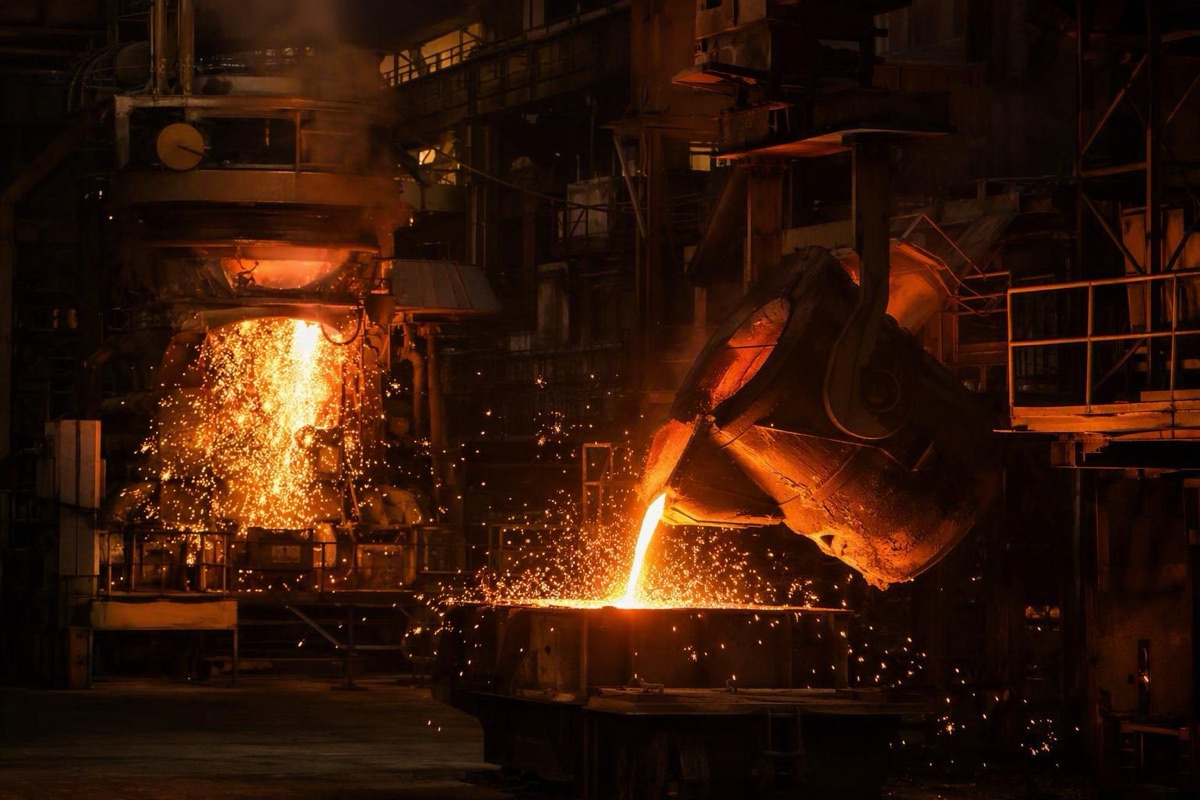
EAF vs BOF: Electric Arc Furnace vs Basic Oxygen Furnace
We compare the electric arc furnace (EAF) and the basic oxygen furnace (BOF) by energy source, charge material, scale, carbon footprint and typical products.
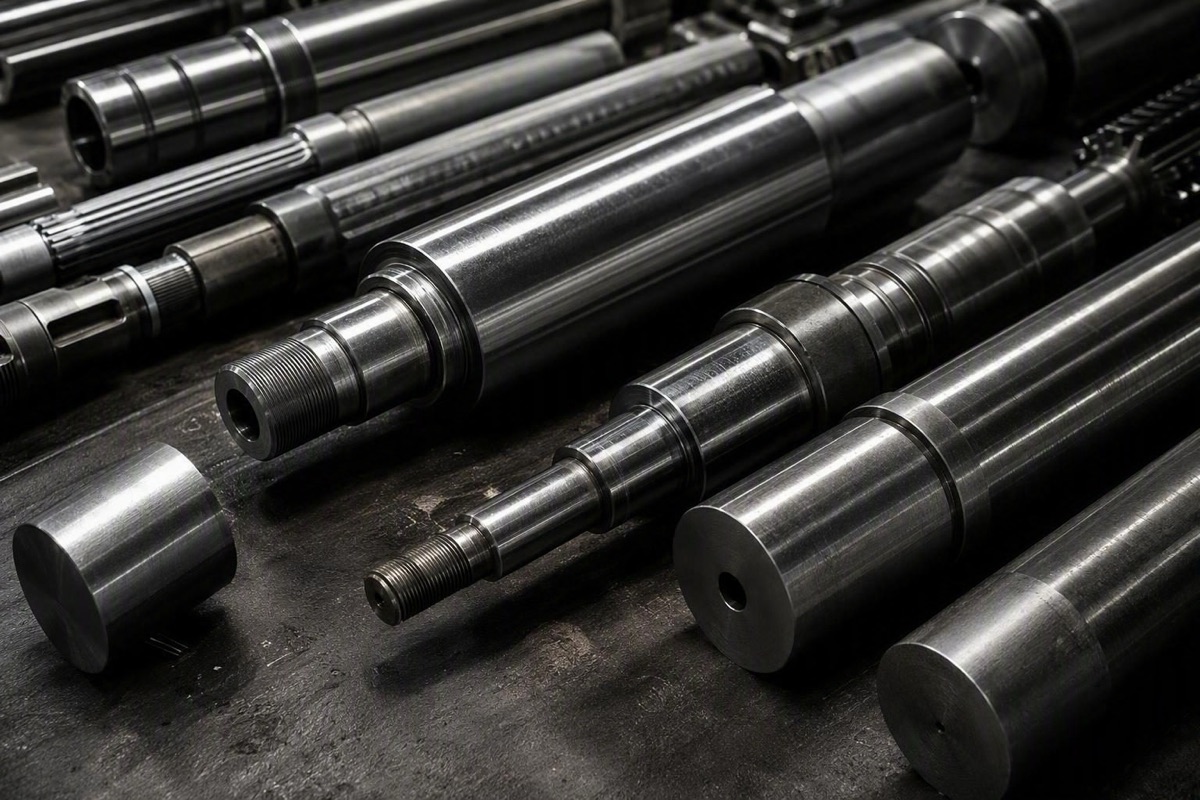
C45 vs 42CrMo4 Steel: Carbon or Alloy — Which to Choose?
We compare C45 (1045) carbon steel with 42CrMo4 (4140) chrome-moly quenched & tempered steel by hardenability, strength, welding and cost — which to choose and when?