Grinding Balls / 65Mn
65Mn Mill Ball
C: 0.65–0.75%, Mn: 0.90–1.20% | 58–63 HRC
Metal ore and hard rock grinding
Technical Specifications
Dimension Table
| Diameter | Weight | Hardness | Tolerance |
|---|---|---|---|
| 30 mm | 0.111 kg | Surface > 58 HRC, Core > 57 HRC | ±2 mm |
| 40 mm | 0.264 kg | Surface > 58 HRC, Core > 57 HRC | ±2 mm |
| 50 mm | 0.515 kg | Surface > 58 HRC, Core > 55 HRC | ±3 mm |
| 60 mm | 0.890 kg | Surface > 58 HRC, Core > 55 HRC | ±3 mm |
| 70 mm | 1.413 kg | Surface > 58 HRC, Core > 55 HRC | ±3 mm |
| 80 mm | 2.110 kg | Surface > 58 HRC, Core > 55 HRC | ±3 mm |
| 90 mm | 3.004 kg | Surface > 58 HRC, Core > 55 HRC | ±4 mm |
Other Grades
What are forged grinding balls?
Forged grinding balls are the grinding media used in ball mills and SAG mills to grind ore and clinker in mining and cement plants. They are forged from medium/high-carbon alloy steel and quenched and tempered to a surface hardness of 55–65 HRC; supplied in diameters from 20 to 150 mm.
Forged vs cast grinding balls and how to choose
Because hot forging compacts the internal structure, forged balls contain no casting porosity or shrinkage cavities — giving high impact toughness and a low breakage rate. In large-diameter SAG mills with severe impact loads this difference is critical. High-chromium cast balls, on the other hand, can excel in dry grinding (especially cement) thanks to wear resistance. Ball diameter is selected from mill type, feed size and target fineness: coarse primary grinding uses large diameters (80–150 mm), fine grinding small ones (20–60 mm). Heat treatment aims at an even hardness profile from surface to core, so the ball keeps its hardness as it wears. Consumption is tracked in grams-to-kilograms per tonne ground, depending on ore abrasiveness, and balanced with regular top-up charges.
Frequently Asked Questions
Forged or cast grinding balls — which is better?+
For high-impact wet grinding and SAG mills, forged balls win (porosity-free structure, high toughness, low breakage); for dry grinding and cement, high-chromium cast balls compete well on wear resistance.
How is grinding ball diameter selected?+
From feed size and target fineness: 80–150 mm for coarse feed and primary grinding, 20–60 mm for secondary/fine grinding. Most plants blend several diameters for a balanced charge.
What hardness should grinding balls have?+
Typical surface hardness of forged balls is 55–65 HRC. An even surface-to-core hardness profile matters: a ball that is only surface-hard softens quickly as it wears and consumption rises.
How is ball consumption measured?+
As worn ball mass per tonne ground (g/t); it varies with ore abrasiveness and mill conditions. Regular top-up charges keep the mill filling ratio constant.
Related Blog Posts
Technical articles, guides and industry analyses
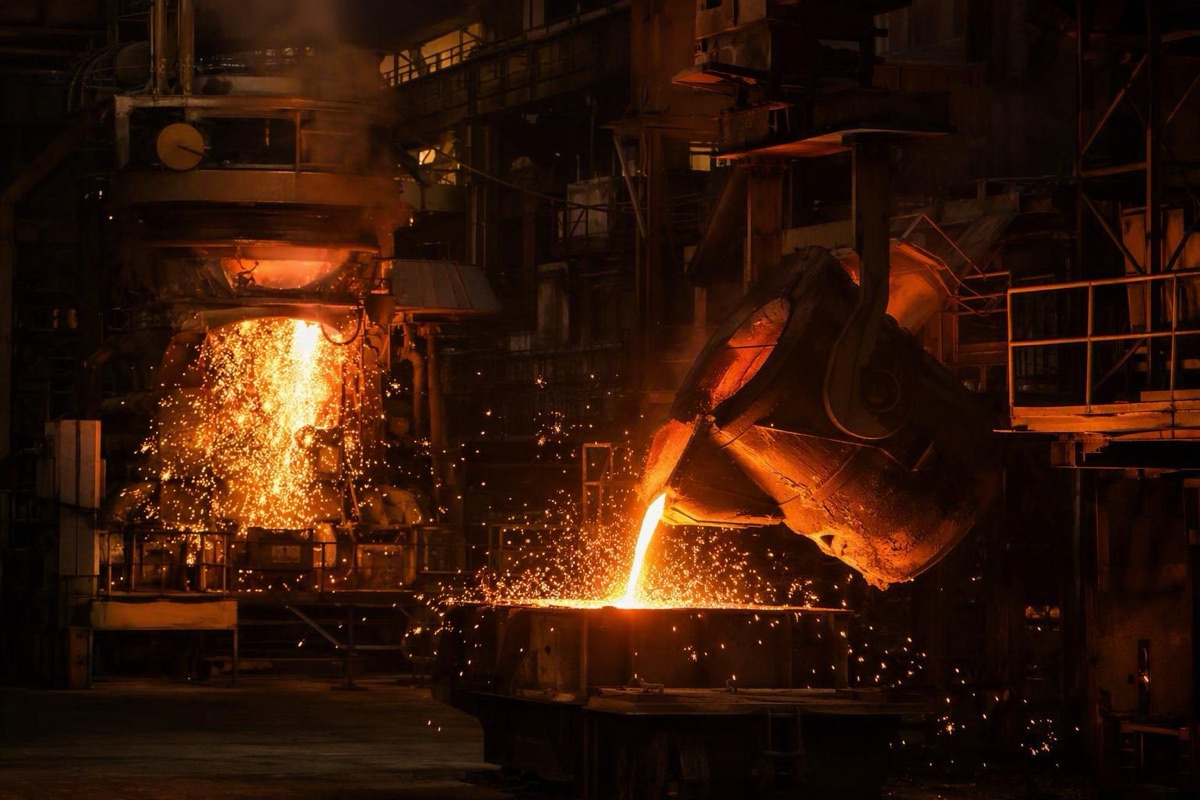
EAF vs BOF: Electric Arc Furnace vs Basic Oxygen Furnace
We compare the electric arc furnace (EAF) and the basic oxygen furnace (BOF) by energy source, charge material, scale, carbon footprint and typical products.
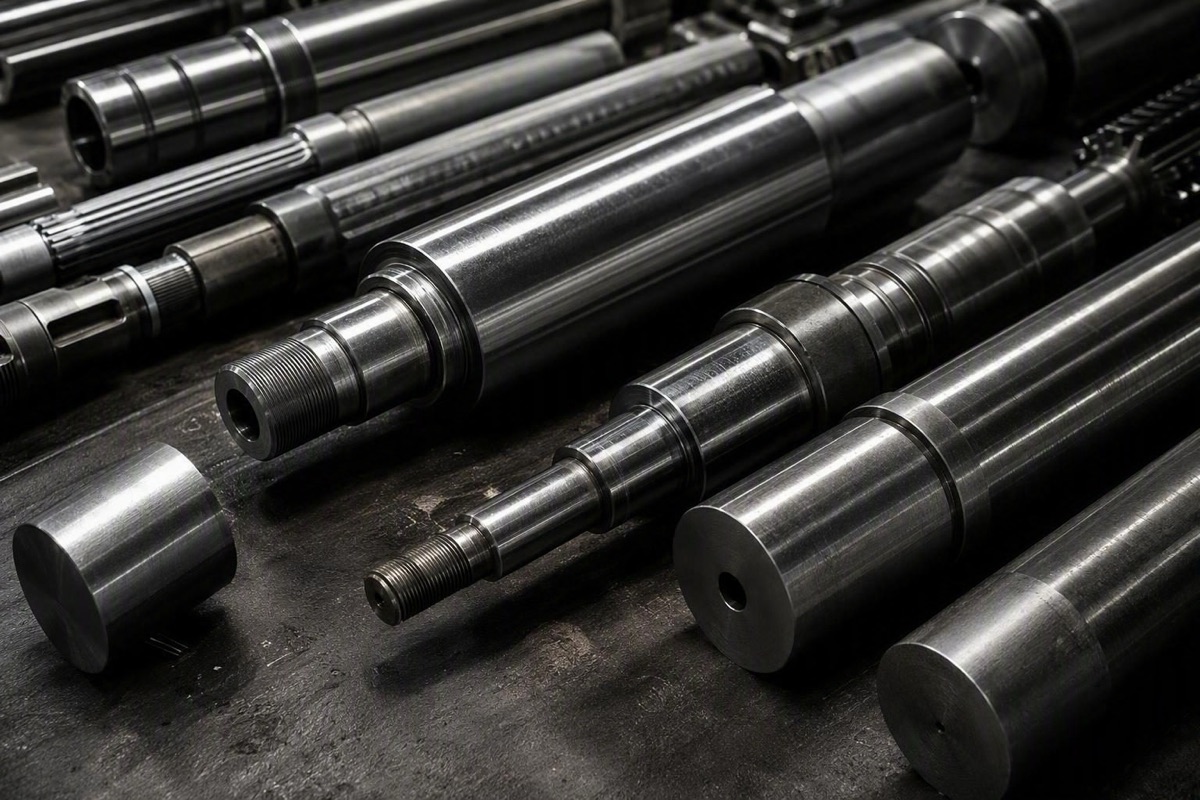
C45 vs 42CrMo4 Steel: Carbon or Alloy — Which to Choose?
We compare C45 (1045) carbon steel with 42CrMo4 (4140) chrome-moly quenched & tempered steel by hardenability, strength, welding and cost — which to choose and when?